Physician-Led Non-Surgical Lifting & Aesthetic Medicine in Gangnam, Seoul
4.8 Google Rating (56 Reviews)
en-US

Medical Guide
Body Contouring Compared: Stable Weight Comes First
One of these three records names a precondition the other two leave implied, and it decides whether any of them is the right conversation to be having.
Schedule a ConsultationBody Contouring Compared: Stable Weight Comes First
Medically reviewed by Dr. Hyunseon Kee, Director, JD Clinic
One line in one of these three published records does more to sort candidates than everything else in all three combined.
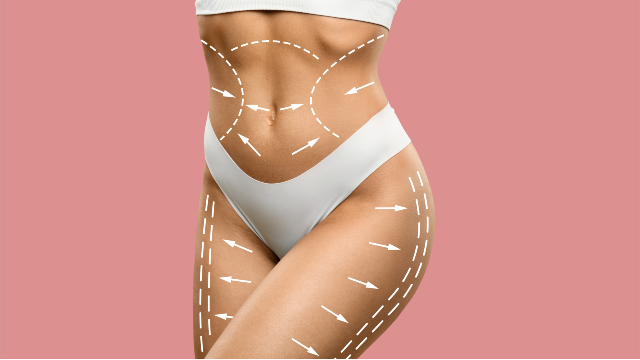
truSculpt iD's body description says suitable candidates are adults with localized areas of unwanted fat who are near a stable weight and have realistic expectations.
Near a stable weight. Stated as a precondition rather than as an outcome.
The other two records imply the same thing without saying it — both describe localized fat in named areas — but only one writes it down. And it is the sentence that determines whether a body-contouring conversation is the right conversation at all, which is why it belongs at the top rather than in a footnote.
The three records
truSculpt iD Body Contouring. Radiofrequency energy heating targeted areas of the body, designed to reduce localized fat and improve body contour without surgery, with stated intentions covering excess fat, elasticity and cellulite. No surgical anesthesia typically required. Possible temporary pain, redness, swelling, tenderness or sensitivity. Significant downtime generally not expected. Treatment time depends on the number and size of areas; the number of sessions varies by plan, and the clinic should confirm the expected schedule. Results are described as not necessarily immediate, since the body requires time to process the effects, with duration influenced by weight stability, lifestyle and individual response.
Ulfit HIFU Body Contouring. High-intensity focused ultrasound targeting the fat layer, designed to support contouring while improving skin elasticity and the appearance of body lines. No anesthesia required. Approximately thirty minutes. Possible tenderness, redness, swelling or discomfort, with thermal tissue injury named as a potential complication. Recovery approximately one to two days. Maintenance approximately three to six months; retreatment approximately every three months. Aftercare: drink plenty of water and avoid high-temperature environments.
Tune Body RF Contouring. Energy targeting localized areas, described as selectively stimulating fat in areas such as the abdomen, thighs and arms. No anesthesia used. Approximately thirty minutes. Possible temporary tenderness, warmth, swelling, redness or discomfort. Recovery one day. Maintenance two to four months; retreatment every four to eight weeks. Aftercare: drink plenty of water, avoid exercise on the day of treatment, and take caution in high-temperature environments.
Two of the three can be planned; one cannot
Line up what each publishes and the difference in specificity is stark.
Ulfit HIFU: thirty minutes, one to two days, three to six months, every three months. A complete plan.
Tune Body RF: thirty minutes, one day, two to four months, every four to eight weeks. Also complete, and the most frequent retreatment cycle of the three.
truSculpt iD body: no treatment time, no recovery figure, no maintenance period, no session count. Everything is described as determined at consultation.
That is not a judgment about the treatments. It is a statement about what you can decide before a flight is booked — and for two of these three, quite a lot; for the third, essentially nothing until someone gives you numbers.
Practical response: if truSculpt iD is what gets recommended, ask for all four figures explicitly — session length, session count, interval, and expected duration of result. They exist; they are just individual.
The retreatment intervals tell you what kind of commitment each is
Read these three together:
Every four to eight weeks (Tune Body RF), against a two-to-four-month maintenance window.
Every three months (Ulfit HIFU), against a three-to-six-month window.
Unstated (truSculpt iD body).
The first is the shortest interval, arriving well before its maintenance window closes — a stacked series. The second arrives at the start of its window — a repeated treatment. The third is unknown.
For a patient flying from the United States, that ordering matters more than the mechanism. A treatment on a four-to-eight-week cycle cannot be completed on one trip in any meaningful sense. A quarterly one at least maps onto a possible rhythm of return.
Say your travel window at the consultation. It is clinical input for a course-based treatment, not a logistics footnote, and the clinic's published approach selects treatment after assessing the individual — set out on its about page.
What each is described as reaching
The mechanisms differ, and the differences are real.
Ulfit HIFU is described as targeting the fat layer with focused ultrasound — energy brought to a point at depth.
Tune Body RF is described as selectively stimulating fat in named areas: abdomen, thighs, arms.
truSculpt iD is described as heating targeted areas with radiofrequency, with stated intentions covering fat, elasticity and cellulite — the broadest description of the three, and the only one naming cellulite.
Two things follow.
If skin elasticity is part of your concern, two of the three mention it — one as an aim alongside contouring, one alongside fat and cellulite.
If a named area is your concern, only one record lists specific regions. That does not mean the others do not treat them; it means only one says so, and asking which areas each covers is a reasonable question.
The FDA maintains a general, non-commercial overview of non-invasive body contouring technologies that describes the category without selling anything.
The risk lines are not identical
Mostly the same vocabulary — temporary tenderness, warmth, swelling, redness, discomfort — with one exception worth reading properly.
Ulfit HIFU's record names thermal tissue injury as a potential treatment-related complication.
That is direct language, and it is not an argument against the treatment. It is a statement of what focused energy is: the same mechanism that produces the intended effect can, misapplied, produce injury. Every energy treatment carries that logic; this record says it out loud.
The response is a question rather than an avoidance. Ask what would make the clinic want to hear from you and how soon, and get the answer before you leave the building. The National Library of Medicine's overview of wounds and injuries covers the general territory.
truSculpt iD's record also excludes people with certain medical conditions, implanted electronic devices, and active skin problems in the treatment area — the implant line being the one to raise by email rather than at the desk.
Water and heat, on all three
Two of the three aftercare descriptions say it explicitly and the third sits in the same family: drink plenty of water, and be careful with high temperatures.
Tune Body RF adds: avoid exercise on the day of treatment.
Those instructions are not decoration. A treatment that affects fat tissue produces something the body then processes, and the hydration instruction belongs to that. The heat instruction belongs to the fact that thermal energy has just been deposited.
For a visitor to Seoul, the heat half has a specific and repeated cost: bathhouses, saunas and hot springs are exactly what "high-temperature environments" means. Sequence them before the treatment rather than after and the problem disappears at no cost.
The precondition, revisited
Back to where this article started, because it deserves more than one line.
"Near a stable weight" appears in one record as a candidacy criterion, and truSculpt iD's durability language names weight stability among the factors influencing how long results last.
Read those together and the picture is clear: these treatments are described as addressing localized fat in specific areas, and their results are described as being influenced by what the rest of your body is doing.
Which means the honest framing for anyone considering any of the three is a question about yourself before it is a question about devices: is my body composition stable, and is what bothers me a specific area?
If the answer to either is no, the conversation to have first is a different one, and it is not a cosmetic one. The National Library of Medicine's material on weight control, obesity and nutrition covers that territory, which is genuinely separate from what these three records describe.
The clinic's published position includes avoiding unnecessary treatment, and "not yet" is a legitimate outcome of an assessment.
What none of the three publishes
No manufacturers. No settings or depths. No outcome measurements — no centimeters, no percentages, no before-and-after data beyond the clinic's own gallery, which is its material rather than independent evidence. And no comparison between the three.
The National Library of Medicine's guidance on evaluating health information is the right frame for any page that supplies those numbers confidently, particularly in a category where measurable claims are the currency of marketing.
Four questions for the consultation
Is my weight stable, and is my concern a specific area? Ask it of yourself first, honestly.
How many sessions, how far apart, and over how long? Two of the three publish this; one does not.
Which areas would you treat, and which would you leave? A plan that names both came from looking.
What would make you want to hear from me afterward? Particularly for the option whose record names thermal tissue injury.
Start the conversation before you fly through the clinic's contact page, with English-language support on weekdays, 09:30 to 19:00.
The Bottom Line
- One record states the precondition the other two imply: candidates are near a stable weight with localized areas of unwanted fat — ask that of yourself before asking about devices.
- Two of the three publish complete plans (thirty minutes, one to two days, three to six months, quarterly; and thirty minutes, one day, two to four months, every four to eight weeks). The third leaves every figure to the consultation.
- The retreatment intervals set the commitment: every four to eight weeks at one end and every three months at the other, which decides whether one trip means anything.
- Thermal tissue injury is named in one record as a potential complication — ask for a threshold rather than reassurance.
- All three sit in the same aftercare family: drink plenty of water and be careful with high temperatures, which in Seoul means bathhouses go before the treatment, not after.
Frequently Asked Questions
Are these weight-loss treatments?
No. All three records describe localized fat in specific areas, and one names being near a stable weight as a candidacy criterion. Overall body composition is a separate matter.
How long does each session take?
Two of the three state approximately thirty minutes. The third describes treatment time as depending on the number and size of areas.
Which has the least downtime?
Tune Body RF states one day and Ulfit HIFU one to two days. truSculpt iD describes significant downtime as generally not expected, without a figure.
How often would I need treatment?
Every four to eight weeks for one, approximately every three months for another. The third leaves the interval to the consultation, so ask for it there.
Is anesthesia used?
No. All three describe treatment without anesthesia.
What are the risks?
Temporary tenderness, warmth, swelling, redness or discomfort across all three, with thermal tissue injury named as a potential complication for the focused-ultrasound option.
Why do I need to drink water afterward?
It appears in the published aftercare for two of the three, alongside caution with high temperatures. Both relate to what the treatment does to tissue and what the body then processes.
Can I use a sauna after treatment?
The published aftercare asks for caution in high-temperature environments. Plan bathhouse visits before the treatment and ask the clinic how long the instruction applies.
This article is for general informational purposes and does not constitute individualized medical advice. It is not a self-diagnosis tool. Treatment results may vary depending on individual conditions, skin characteristics, and treatment plans, and whether a procedure is appropriate for you can only be determined through a consultation with a qualified dermatologist or other appropriately qualified clinician who has examined you in person.
More Articles
Continue reading our clinical guides.