Physician-Led Non-Surgical Lifting & Aesthetic Medicine in Gangnam, Seoul
4.8 Google Rating (56 Reviews)
en-SG


Body Contouring & Obesity Treatment · Needs Clinic Confirmation
Hyperhidrosis (Excessive Sweating) Botox
Botulinum toxin injections can temporarily reduce excessive sweating by blocking the nerve signals that activate sweat glands in the treated area.
Schedule a ConsultationHyperhidrosis (Excessive Sweating) Botox

Medically reviewed by Dr. Jin-Woo Doh, Representative Director, JD Clinic, Gangnam, Seoul, and Hyunseon Kee, Director, JD Clinic
Botulinum toxin injections can temporarily reduce excessive sweating by blocking the nerve signals that activate sweat glands in the treated area. At JD Clinic in Gangnam, Seoul a session takes approximately ten to fifteen minutes, requires no anaesthesia, and most patients resume normal activities within a day. Unlike most treatments on this site, this one addresses a recognised medical condition rather than an appearance, and that changes what a good consultation looks like: the first question is not which treatment, but why the sweating is happening.
JD Clinic's doctor mapping is recorded at the specialty level, so this page names the doctors who direct care for this treatment area rather than claiming that one named doctor personally carries out every individual session.
What Is Hyperhidrosis Botox?
Multiple small injections place botulinum toxin into the skin of an affected area, and the nerve signals that switch sweat glands on are temporarily reduced.
The mechanism. Temporarily reducing the nerve signals responsible for activating sweat glands in the treated area.
The areas. Underarms, palms and soles are the sites the clinic names.
The method. Botulinum toxin delivered with a fine-gauge needle in multiple small injections across the affected area.
The time. Approximately ten to fifteen minutes, with no anaesthesia used.
The timeline. Sweat reduction develops gradually, becoming noticeable within several days to two weeks and generally lasting around four to six months.
The condition behind the treatment. Hyperhidrosis is a medical condition of excessive, unpredictable sweating from overactive sweat glands; it may be primary — often familial, focal to hands, feet or underarms — or secondary to another disease, and treatment options range from strong antiperspirants and medicines to iontophoresis, botulinum toxin and surgery. That distinction between primary and secondary is the one the clinic's own consultation process is built around: it says the clinician may evaluate whether another medical condition or medication is contributing.
Who Performs Hyperhidrosis Botox at JD Clinic
|
|
Dr. Jin-Woo Doh | Dr, Hyunseon Kee |


Care in this treatment area is directed by Dr. Jin-Woo Doh, Representative Director of JD Clinic, and Hyunseon Kee, Director.
Dr. Doh graduated from Seoul National University College of Medicine and serves as a Guest Professor at Seoul National University Hospital. Body and obesity treatments are named among his listed core specialisations.
Hyunseon Kee is a Director at JD Clinic whose listed areas are aesthetic plastic surgery, aesthetic procedures and laser-based aesthetic treatments. She is a full member of the Korean Society of Aesthetic Plastic Surgery, the International Society of Aesthetic Surgery, and the Korean Society of Aesthetic Plastic Surgery and Laser. Dr. Doh is additionally a full member of the Korean Society of Aesthetic Surgery and the Korean Society for Obesity Treatment.
JD Clinic has not provided licence or board-status records for either doctor, so none is claimed here, and no educational institution is attributed to Hyunseon Kee because the clinic's records do not state one.
The clinician reviews the sweating pattern, medical history, medications, previous treatments and treatment goals, and may evaluate whether another condition or a medicine is contributing. The pattern is genuinely informative: sweating confined to hands, feet or underarms and present since adolescence looks different from sweating that began recently, affects the whole body, or wakes someone at night — and the second picture points towards investigation rather than towards an injection.
The clinic's records mark the clinic-specific technique as requiring confirmation, so this page does not describe a proprietary method or state a dose.
Who Is a Good Candidate for Hyperhidrosis Botox?
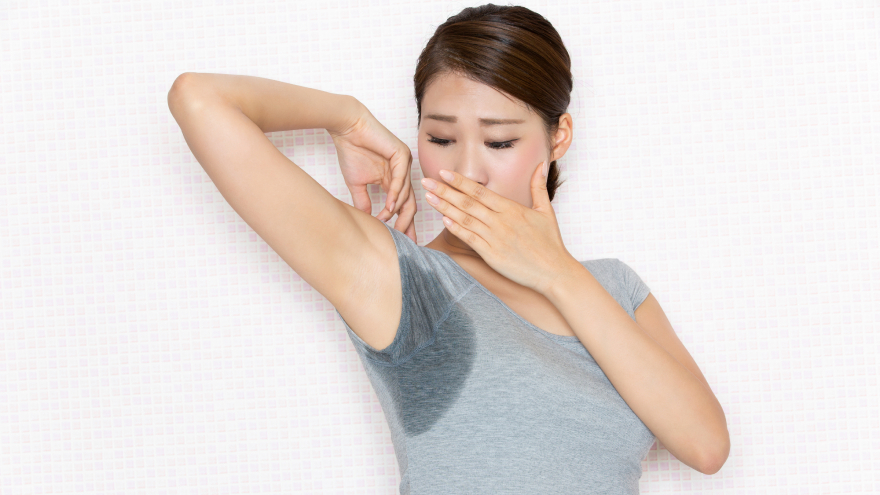
Adults with excessive sweating in localised areas such as the underarms, palms or soles
People whose sweating interferes with daily activities, clothing choices, work or social situations
Those who have tried antiperspirants without adequate relief
Patients with realistic expectations about a temporary effect
Treatment may not be appropriate for:
Anyone with an allergy to botulinum toxin or its ingredients
People with an infection at the planned injection site
Patients with certain neuromuscular disorders
Anyone with other medical conditions requiring additional assessment
Two of the exclusions above are worth resolving before booking a flight rather than at the clinic door. An infection at the planned injection site is temporary and moves an appointment; a neuromuscular disorder or a known allergy to the product does not move, and both change whether this treatment is available at all. The clinic's international coordinator is the right route for raising either in advance, and a clear answer may save a trip.
There is a recognised order to treating this condition, and it is worth knowing before travelling for an injection. The NHS describes hyperhidrosis as a common condition that may have no obvious cause, may be due to another condition or a medicine, and is managed in steps — self-care and antiperspirants first, then specialist options such as tablets, topical treatment, iontophoresis, botulinum toxin injections for underarm sweating, and surgery in severe cases. Botulinum toxin sits in that sequence rather than at the front of it, which is not an argument against it but a reason to be able to say what has already been tried.
What to Expect: Procedure, Recovery, and Results Timeline
The treatment area is assessed and prepared, then multiple small injections are placed into the affected area.
Stage | What happens | Timing |
|---|---|---|
Consultation | Sweating pattern, history, medications, previous treatments | Before treatment |
Treatment | Multiple small injections across the affected area | Approximately 10–15 minutes |
Sensation | Brief discomfort, stinging or pinching | During |
Recovery | Normal activities resumed | Within 1 day |
Early effects | Pain, redness, swelling, bruising or tenderness at injection sites | Temporary |
First results | Reduced sweating beginning | Several days |
Full effect | Developing progressively | Up to about 2 weeks |
Duration | As the clinic states it | Around 4–6 months |
Temporary pain, redness, swelling, bruising or tenderness at the injection sites may occur. Possible risks also include changes in sensation or muscle strength near the injection area — which matters particularly when the palms are treated, since the muscles of the hand sit close to the injected skin. Rarely, more serious effects can occur.
Before treatment, tell the clinician about medical conditions, medications, allergies, previous botulinum toxin treatments and any neuromuscular disorders, and follow the clinic's preparation instructions, which include exercising restraint and avoiding high-temperature environments around the time of treatment. Afterwards, avoid strenuous exercise, excessive heat, saunas and hot baths for the recommended period, avoid rubbing or applying pressure to the treated area, and follow your provider's specific aftercare instructions.
One note on the clinic's own figures. Its records give the duration of effect as around four to six months while suggesting repeat treatment about every six months. Those are not quite the same interval, and where in that range your own result falls is worth asking about rather than assuming.
This is generally an outpatient treatment, so an extended stay is not usually required and many patients can travel shortly afterwards; confirm your individual timing with the clinic. The point most relevant to planning is that the effect will not have arrived before you leave — if the treatment is intended for a particular event or season, it needs booking one to two weeks ahead of it at least. The clinic operates a 24-hour post-treatment feedback system, and English-language aftercare is available through remote follow-up consultation and ongoing channels such as email and messaging once a patient has returned home.
Combining Hyperhidrosis Botox with Other Treatments
The clinic's records mark combination procedures for this treatment as requiring confirmation, so this page does not describe a pairing. In practice the more relevant question is sequence rather than combination: antiperspirant use, topical treatment and iontophoresis all sit in the same management pathway, and what happens to them after an injection is a question for the clinician who prescribed them.
Depending on the severity and the location, alternatives may include topical antiperspirants, prescription medicines, iontophoresis, other injectable treatments, or surgery for selected severe cases. Botulinum toxin injection therapy is described as a minimally invasive treatment option for primary hyperhidrosis affecting the underarms, palms and soles, and the face; it was approved in the United States in 2004 for severe primary axillary hyperhidrosis in people who do not get relief from antiperspirants. The words "who do not get relief from antiperspirants" describe where in the pathway it belongs. More about the clinic and its team is on the JD Clinic about page.
Safety, Precision, and Clinic Standards
JD Clinic has been registered since 2023 as a Registered Medical Institution for Attracting Foreign Patients, certified by the Ministry of Health and Welfare in compliance with the Medical Overseas Expansion and Foreign Patients Attraction Act. The clinic's business registration number is 530-11-00701.
The clinic's stated quality-control process is individualised medical assessment rather than device-led selection, with treatment that is not needed avoided rather than added. Consultation and treatment are doctor-led. Its records mark a specific risk-reduction process for this treatment as requiring confirmation, so this page does not describe one.
Botulinum toxin is a prescription medicine, and this is one of its licensed uses. The UK medicines regulator records that botulinum toxin type A is a prescription-only medicine whose licensed indications include severe underarm sweating alongside neurological and bladder indications, and that the risk of toxin spread and iatrogenic botulism may be increased when high doses are used or when a product is used off-label and injected in unlicensed sites. Underarm treatment sits inside that licensing; palms and soles are a different matter under the same framework, and worth asking about directly.
The U.S. Food and Drug Administration treats botulinum toxin injections for cosmetic use as prescription drugs carrying its most serious boxed warning, because the product may cause botulism symptoms including muscle weakness and difficulty breathing that can be fatal, and says patients should receive them only from a licensed, trained provider using product from an authorised source. International public health guidance records that injections of counterfeit or mishandled botulinum toxin, including injections given by people not meeting licensing requirements, have made people seriously ill and led to hospitalisation, and advises anyone considering a botulinum toxin injection to confirm the injector's licence and training and the product's source.
International infection control guidance also notes that cosmetic procedures are among the settings where unsafe injection practices occur, and that reusing needles or syringes or mishandling medication vials can transmit hepatitis B, hepatitis C, bacterial and fungal infections and possibly HIV — guidance whose relevance scales with the number of punctures, and this treatment involves many.
The American Academy of Dermatology advises anyone considering a cosmetic treatment to establish who will perform it, ask about their experience with that specific procedure, and discuss the risks and the realistic expected result before agreeing to anything.
English-language support is provided by a dedicated international patient coordinator, Cheon Seung-yeon, Team Manager, on weekdays from 09:30 to 19:00, with Korean and Japanese coordination also available.
The Bottom Line
Multiple small injections that temporarily reduce the nerve signals switching sweat glands on.
Ten to fifteen minutes, no anaesthesia, normal activities within a day.
Sweat reduction develops over several days to two weeks and lasts around four to six months.
Hyperhidrosis is a medical condition — establishing whether it is primary or secondary comes first.
Ask which product is used and where it came from; regulators say to.
Frequently Asked Questions
Who is a good candidate for hyperhidrosis Botox?
Adults with excessive sweating in localised areas such as the underarms, palms or soles, where it affects daily activities or quality of life. Approved use in the United States was for severe primary underarm sweating in people who do not get relief from antiperspirants, which is a useful description of where it fits.
Who should avoid or postpone treatment?
Anyone with an allergy to botulinum toxin or its ingredients, an infection at the injection site, or certain neuromuscular disorders. Other medical conditions may require additional assessment first.
How long does it take, and is it painful?
Approximately ten to fifteen minutes. The treatment involves multiple small injections, which may cause brief discomfort, stinging or pinching, and no anaesthesia is used.
How long should I stay in Korea, and when can I fly home?
This is generally an outpatient treatment, so an extended stay is not usually required and many patients travel shortly afterwards. Confirm your individual timing with the clinic — and remember the effect will not have arrived before you leave.
When will I see results, and how long do they last?
Reduced sweating begins within several days and develops progressively over about two weeks, generally lasting around four to six months. Retreatment may be considered when sweating gradually returns.
What are the common side effects?
Redness and swelling after treatment are the two the clinic names. Temporary pain, bruising or tenderness at injection sites may also occur, as can changes in sensation or muscle strength near the treated area.
Should I try anything else first?
Excessive sweating is usually managed in steps, starting with self-care and antiperspirants before specialist options such as tablets, topical treatment, iontophoresis, injections and — in severe cases — surgery. Knowing what you have already tried makes the consultation more useful.
Does JD Clinic publish a price for this treatment?
JD Clinic does not publish treatment prices for this market; a quotation is given after an individual consultation. Because the effect lasts months rather than permanently, the cost over a year is the figure worth discussing.
Book a Consultation at JD Clinic

If sweating is shaping what you wear and what you do, it is a medical problem with a management pathway — and an injection is one step in it. JD Clinic is located at B2, 616 Gangnam-daero, Gangnam-gu, Seoul, Republic of Korea, and can be reached on +82-2-523-7581 or through the clinic's contact page. Consultations run Monday to Thursday from 09:30 to 19:00, Friday until 21:00 and Saturday until 16:00, with a lunch break on weekdays from 13:00 to 14:00.
International patients can begin with an online enquiry through the JD Clinic contact page, and an English-speaking coordinator will follow up.
Disclaimer
This page is for general information only and is not medical advice, a diagnosis, or a treatment recommendation. Outcomes differ from person to person, and whether any treatment is appropriate for you can only be decided in a consultation with a qualified doctor.
Sources & Further Reading
Excessive sweating (hyperhidrosis) — National Health Service, UK
Hyperhidrosis — MedlinePlus, U.S. National Library of Medicine
Botulinum Toxin A and Treatment of Hyperhidrosis — International Hyperhidrosis Society
Botulinum toxin type A products: updated warnings regarding risk of iatrogenic botulism — Medicines and Healthcare products Regulatory Agency
FDA Warns Companies Over Illegal Marketing of Botox and Related Products — U.S. Food and Drug Administration
Harmful Reactions Linked to Counterfeit "Botox" or Mishandled Botulinum Toxin Injections — Centers for Disease Control and Prevention
Safe Injection Practices and Your Health — Centers for Disease Control and Prevention
Best questions to ask when considering a cosmetic treatment — American Academy of Dermatology
Other Services
Explore additional treatments offered at JD Clinic.