Physician-Led Non-Surgical Lifting & Aesthetic Medicine in Gangnam, Seoul
4.8 Google Rating (56 Reviews)
en-SG


Skin Care · Needs Clinic Confirmation
LDM Water Drop Lifting
LDM Water Drop Lifting is a non-invasive ultrasound-based skin treatment that JD Clinic in Gangnam, Seoul offers for skin hydration, skin-barrier condition, elasticity and overall skin quality.
Schedule a ConsultationLDM Water Drop Lifting

Medically reviewed by Dr Jin-Woo Doh, Representative Director, JD Clinic, Gangnam, Seoul, and Hyunseon Kee, Director, JD Clinic
LDM Water Drop Lifting is a non-invasive ultrasound-based skin treatment that JD Clinic in Gangnam, Seoul offers for skin hydration, skin-barrier condition, elasticity and overall skin quality. It uses multiple ultrasound frequencies delivered through the skin, and it is generally described as comfortable, with little or no downtime. The word lifting in the name does more work than the treatment does, and the clinic says so itself: this should not be presented as a permanent or major structural lifting procedure.
JD Clinic's doctor mapping is recorded at the specialty level, so this page names the doctors who direct care for this treatment area rather than claiming that one named doctor personally carries out every individual session.
What Is LDM Water Drop Lifting?
Ultrasound at more than one frequency is applied through the skin, aimed at its condition rather than its structure.
The mechanism. Multiple ultrasound frequencies delivered through the skin, non-invasively.
What it is for. Supporting skin hydration, skin-barrier condition, elasticity and overall skin quality.
The sensation. Generally comfortable, with little or no significant pain — gentle vibration, movement or mild warmth.
Anaesthesia. Generally not required.
Downtime. Little to none, with normal daily activities usually resumed immediately.
Potential benefits, as the clinic states them, are improved skin hydration, smoother texture, improved skin comfort and a fresher appearance. Its own instruction on claims is unusually clear, and this page keeps to it: appropriate descriptions are a non-invasive ultrasound-based skin treatment that supports hydration and skin condition and may improve the appearance of texture and elasticity, while claims of permanent lifting, guaranteed results, or treatment of a specific medical condition are to be avoided unless supported by documentation or clinical evidence.
For context on the wider category, the American Academy of Dermatology describes non-invasive skin tightening as producing gradual, modest lifting rather than surgical results, with ultrasound and radiofrequency changes typically developing over roughly two to six months. That describes energy-based tightening generally rather than this treatment specifically, and it is a useful calibration for anyone reading the word "lifting" on a menu.
Who Performs LDM Water Drop Lifting at JD Clinic
|
|
Dr. Jin-Woo Doh | Dr, Hyunseon Kee |

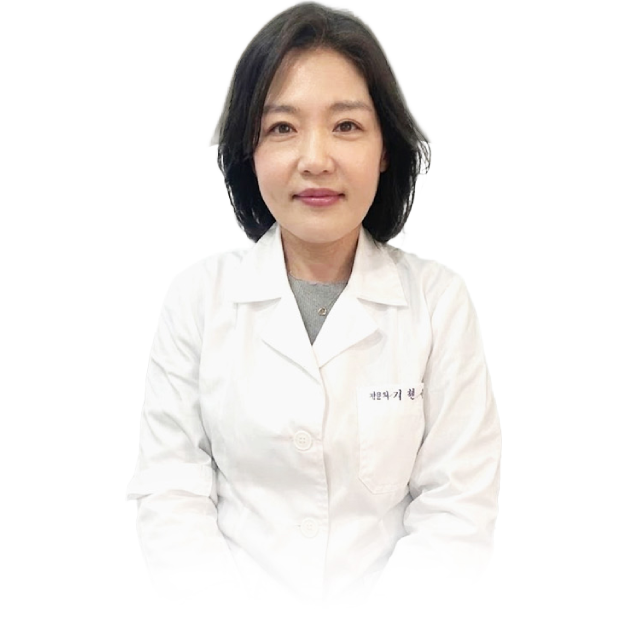
Care in this treatment area is directed by Dr Jin-Woo Doh, Representative Director of JD Clinic, and Hyunseon Kee, Director.
Dr Doh graduated from Seoul National University College of Medicine and serves as a Guest Professor at Seoul National University Hospital. Skin rejuvenation is among his listed core specialisations.
Hyunseon Kee is a Director at JD Clinic whose listed areas are aesthetic plastic surgery, aesthetic procedures and laser-based aesthetic treatments. She is a full member of the Korean Society of Aesthetic Plastic Surgery, the International Society of Aesthetic Surgery, and the Korean Society of Aesthetic Plastic Surgery and Laser. Dr Doh is additionally a full member of the Korean Society of Aesthetic Surgery and the Korean Society for Obesity Treatment.
JD Clinic has not provided licence or specialist-certification records for either doctor, so none is claimed here, and no educational institution is attributed to Hyunseon Kee because the clinic's records do not state one.
Skin condition, hydration, elasticity, texture and the patient's concerns should be assessed before treatment so that the treatment area and the appropriate settings can be determined. The clinic's records also set out what good risk management looks like here: skin assessment, review of medical history and contraindications, selection of suitable ultrasound settings, assessment of recent procedures, and appropriate aftercare instructions. The fourth item is the one patients most often skip — a recent laser, peel or injectable treatment changes what the skin can comfortably take, and the timing question only gets answered if the clinic is told.
The clinic's records mark the technology and the clinic-specific technique as requiring confirmation, so this page does not describe a device model or a proprietary protocol.
Who Is a Good Candidate for LDM Water Drop Lifting?
Adults with dehydrated, dull, rough or less elastic skin
People with sensitivity or redness whose skin needs soothing and recovery care
Those who want a non-surgical treatment with little or no downtime
Patients looking for skin conditioning rather than structural change
Treatment may need to be avoided or postponed by:
Anyone with an active skin infection, open wounds, or significant inflammation in the area
People who are pregnant or breastfeeding
Anyone with certain implanted electronic devices, including pacemakers
Patients with malignant tumours, listed among the device manufacturer's contraindications
Anyone with severely impaired circulation in the area
That contraindication list is longer and more medical than the treatment's gentle description would suggest, and it is worth reading properly rather than skimming. An implanted electronic device is not something a clinic can see, and it is the patient's responsibility to raise it. Other restrictions may depend on the patient's medical history and the specific device used.
For someone travelling to Korea for treatment, the distinction between the temporary items and the permanent ones is worth drawing before the trip. Active infection, an open wound or inflamed skin will usually have settled by the time of an appointment booked weeks ahead, and if it has not, the appointment moves. A pacemaker or another implanted electronic device does not move, and neither does a current pregnancy — so both are better raised in an email at the enquiry stage than discovered at the consultation. The clinic's international coordinator is the right route for that conversation.
What to Expect: Procedure, Recovery, and Results Timeline
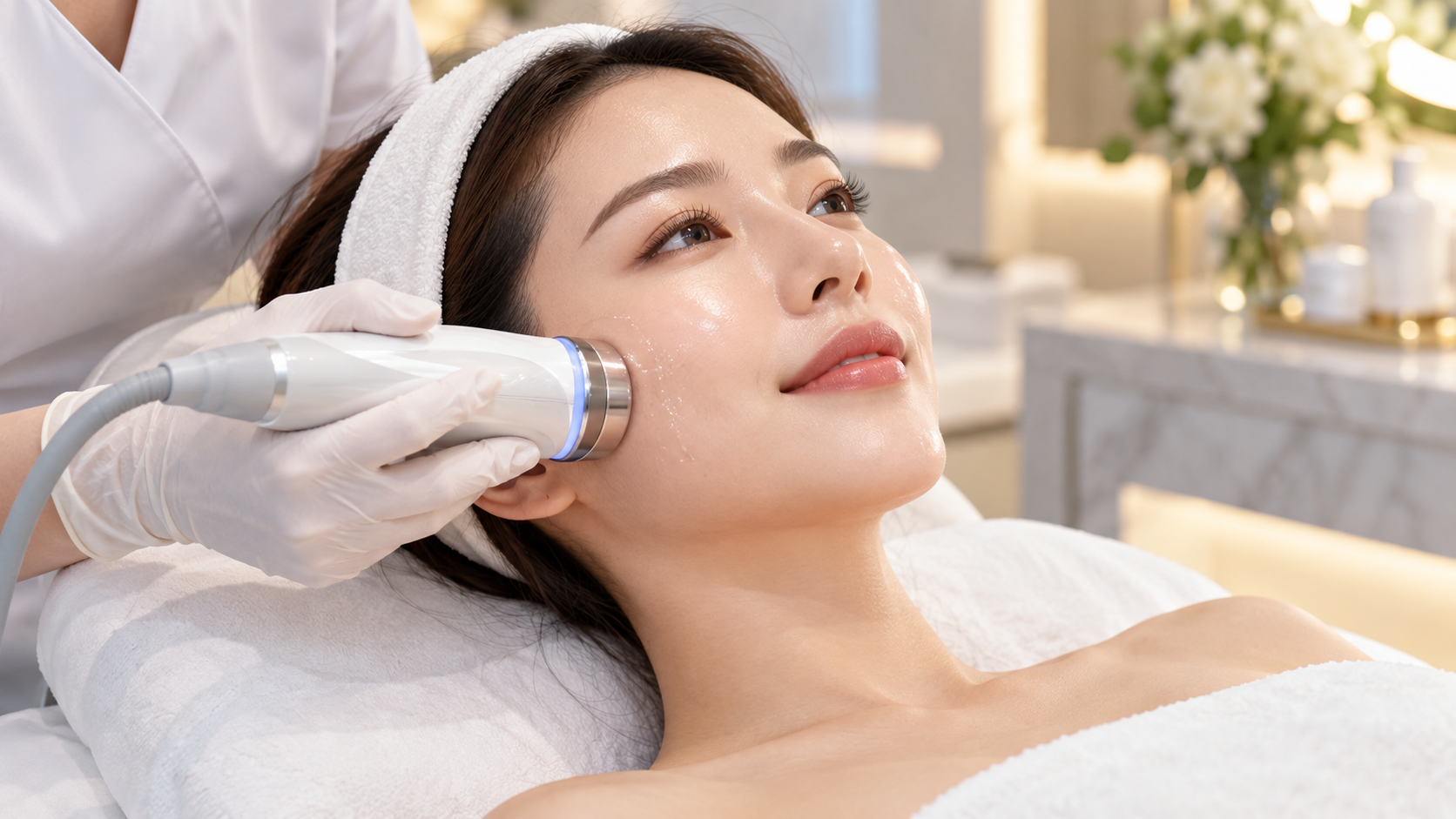
The clinic's records leave the step-by-step sequence blank for this treatment, so this page does not invent one. What is documented is the assessment beforehand, the sensation during, and what follows.
Stage | What happens | Timing |
|---|---|---|
Assessment | Skin condition, hydration, elasticity, texture; settings selected | Before treatment |
Treatment | Multi-frequency ultrasound applied through the skin | Not stated in the records |
Sensation | Gentle vibration, movement or mild warmth | During |
Recovery | Little to no downtime; normal activities resumed | Immediately |
Early effects | Mild redness, warmth, tenderness or sensitivity | Short-lived |
First results | Improved hydration, softness or a fresher appearance | After the first session |
Fuller results | Gradual skin-quality improvement | Over a series of sessions |
Two things the clinic's records do not state are the treatment duration and the aftercare protocol for this specific treatment. This page does not guess at either. Ask how long to allow for the appointment when booking, and ask for the aftercare instructions at the end of the session rather than assuming the general skin-care advice covers it.
Temporary redness, warmth, sensitivity or mild discomfort may occur, and individual responses vary according to skin condition and treatment settings. These effects are generally short-lived.
Before treatment, tell the provider about current medications, skin conditions, allergies, recent aesthetic procedures, and any irritation or infection in the area. Avoid aggressive exfoliation, strong irritating skincare products, and unnecessary procedures that may leave the skin sensitive beforehand.
Because the treatment generally has little or no downtime, it can often be fitted into a short visit to Korea, and there is no medically required fixed number of days for it alone. Patients can generally travel soon afterwards provided there are no unexpected symptoms and the treating clinic has no specific restriction — same-day travel may be possible. Anyone combining it with other procedures should plan around those instead. The clinic operates a 24-hour post-treatment feedback system, and English-language aftercare is available through remote follow-up consultation and ongoing channels such as email and messaging once a patient has returned home.
Combining LDM Water Drop Lifting with Other Treatments
The clinic's records mark combination procedures for this treatment as requiring confirmation, so this page does not describe a pairing. What the records do say is that timing matters: recent laser, peeling or injectable treatments should be disclosed so that the provider can determine appropriate scheduling, which is the same consideration a combination raises.
Depending on the goal, alternatives may include skin boosters, aqua peeling, chemical peels, intense pulsed light, or other skin-care treatments. For more significant skin laxity, energy-based lifting treatments such as high-intensity focused ultrasound or radiofrequency may be considered — and the clinic lists Skin Care and Lifting/Anti-Ageing as separate treatment categories, which is the clearest signal that a hydration-and-texture treatment is not the answer to sagging. More about the clinic and its team is on the JD Clinic about page.
Safety, Precision, and Clinic Standards
JD Clinic has been registered since 2023 as a Registered Medical Institution for Attracting Foreign Patients, certified by the Ministry of Health and Welfare in compliance with the Medical Overseas Expansion and Foreign Patients Attraction Act. The clinic's business registration number is 530-11-00701.
The clinic's stated quality-control process is individualised medical assessment rather than device-led selection, with treatment that is not needed avoided rather than added. Consultation and treatment are doctor-led. For this treatment its records describe appropriate risk management as skin assessment, history and contraindication review, suitable settings, assessment of recent procedures, and aftercare instructions.
Ultrasound applied to the skin is a treatment category with its own recognised profile. The American Society for Dermatologic Surgery describes focused ultrasound therapy as depositing ultrasound energy below the skin surface to stimulate new collagen formation, associated with temporary redness, swelling, tingling, tenderness, bruising or numbness. That describes focused ultrasound used for tightening rather than this treatment, which the clinic positions as skin conditioning; the distinction is worth holding onto, because the two are easily conflated by the shared word "ultrasound" and they are not aimed at the same thing.
The evidence baseline underneath any course of in-clinic skin treatment is unglamorous and worth stating: the American Academy of Dermatology's baseline for healthy-looking skin is daily broad-spectrum sunscreen, gentle cleansing rather than scrubbing, and products matched to the skin type. A hydration treatment works alongside that rather than instead of it.
The American Academy of Dermatology advises anyone considering a cosmetic treatment to establish who will perform it, ask about their experience with that specific procedure, and discuss the risks and the realistic expected result before agreeing to anything. For this treatment the realistic expected result is the part most worth pinning down, given how the name reads.
English-language support is provided by a dedicated international patient coordinator, Cheon Seung-yeon, Team Manager, on weekdays from 09:30 to 19:00, with Korean and Japanese coordination also available.
The Bottom Line
Multi-frequency ultrasound applied non-invasively for hydration, barrier condition and texture.
Generally comfortable, no anaesthesia, and little to no downtime.
The clinic's own instruction is not to present it as permanent or major structural lifting.
Contraindications include pregnancy, implanted electronic devices and malignant tumours.
Treatment duration and specific aftercare are not stated in the records — ask for both.
Frequently Asked Questions
Who is a good candidate for LDM Water Drop Lifting?
People concerned about dehydrated or dull skin, rough texture, sensitivity, redness, mild loss of elasticity, or skin that needs soothing and recovery care. It suits someone looking to improve skin condition rather than someone seeking a structural change.
Who should avoid or postpone treatment?
Treatment may need to be avoided or postponed during pregnancy or breastfeeding, with active skin infection, open wounds or severe inflammation, and in certain conditions involving implanted electronic devices. Malignant tumours and pacemakers appear among the listed contraindications, as do areas with severely impaired circulation.
Is it painful, and what anaesthesia is used?
It is generally described as comfortable, with little or no significant pain — patients may feel gentle vibration, movement or mild warmth. Anaesthesia is generally not required.
How long should I stay in Korea, and when can I fly home?
Because the treatment generally has little or no downtime, it can often be included in a short visit, and there is no medically required fixed number of days for it alone. Travel is generally possible soon afterwards, potentially the same day, provided there are no unexpected symptoms and the clinic has no specific restriction.
When will I see results, and how long do they last?
Some people notice improved hydration, softness or a fresher appearance after the first treatment, with more gradual skin-quality improvement over a series of sessions. The degree and duration vary according to skin condition, settings and the number of sessions.
What are the common side effects?
Temporary mild redness, warmth, tenderness or sensitivity, which are generally short-lived. Individual responses vary with skin condition and the settings used.
What should I tell the clinic before treatment?
Current medications, skin conditions, allergies, any irritation or infection in the treatment area, and — importantly — any recent laser, peeling, injectable or other aesthetic treatment, so the provider can judge appropriate timing. Any implanted electronic device belongs in that conversation too.
Does JD Clinic publish a price for this treatment?
JD Clinic does not publish treatment prices for this market; a quotation is given after an individual consultation. Because fuller improvement is described as developing over a series of sessions, the course rather than the single visit is the useful unit to ask about.
Book a Consultation at JD Clinic
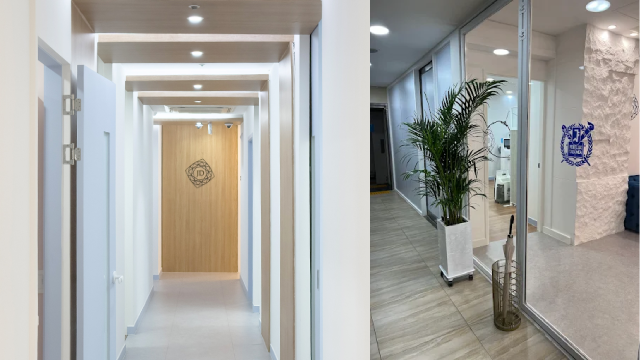
If your skin is dry, dull and easily irritated rather than sagging, a conditioning treatment is the category aimed at that — and a consultation is where the two get told apart. JD Clinic is located at B2, 616 Gangnam-daero, Gangnam-gu, Seoul, Republic of Korea, and can be reached at +82-2-523-7581 or through the clinic's contact page. Consultations run Monday to Thursday from 09:30 to 19:00, Friday until 21:00 and Saturday until 16:00, with a lunch break on weekdays from 13:00 to 14:00.
International patients can start with an online enquiry through the JD Clinic contact page, and an English-speaking coordinator will follow up.
Disclaimer
This page is for general information only and is not medical advice, a diagnosis, or a treatment recommendation. Outcomes differ from person to person, and whether any treatment is appropriate for you can only be decided in a consultation with a qualified doctor.
Sources & Further Reading
Many ways to firm sagging skin — American Academy of Dermatology
Ultrasound therapy for sagging skin — American Society for Dermatologic Surgery
10 skin care secrets for healthier-looking skin — American Academy of Dermatology
Best questions to ask when considering a cosmetic treatment — American Academy of Dermatology
Other Services
Explore additional treatments offered at JD Clinic.