Physician-Led Non-Surgical Lifting & Aesthetic Medicine in Gangnam, Seoul
4.8 Google Rating (56 Reviews)
en-SG


Pigmentation, Pore & Scar Treatment · Needs Clinic Confirmation
Neogen Plasma Resurfacing
Neogen Plasma Resurfacing uses plasma energy to treat the skin, targeting pigmentation and acne scars.
Schedule a ConsultationNeogen Plasma Resurfacing

Medically reviewed by Dr Jin-Woo Doh, Representative Director, JD Clinic, Gangnam, Seoul, and Hyunseon Kee, Director, JD Clinic
Neogen Plasma Resurfacing uses plasma energy to treat the skin, targeting pigmentation and acne scars. At JD Clinic in Gangnam, Seoul, it is the plasma option among the clinic's treatments for pigmentation, pores and scars. Plasma is a different type of energy from the lasers and light treatments the clinic also offers, and it has its own risks and recovery. Patients consider it for acne scar texture, visible signs of skin ageing or uneven-looking skin, as an alternative to surgical resurfacing.
JD Clinic records its doctor mapping at the specialty level. This page therefore names the doctors who direct care for this treatment area, rather than claiming that one named doctor personally carries out every individual session.
What Is Neogen Plasma Resurfacing?
A handpiece delivers plasma energy across the planned area, at settings chosen for each patient.
The energy is plasma, not laser, radiofrequency or light.
The stated targets are pigmentation and acne scars.
No anaesthesia is needed, and the session takes approximately 20 to 30 minutes.
Recovery is stated as one to two days.
It is planned as a short course. The clinic recommends two to three treatments, and states that the effect lasts one to two months.
The clinic's records mark the approved claims for this treatment as requiring confirmation. This page therefore uses the clinic's procedure profile and does not present a list of claims as settled.
Who Performs Neogen Plasma Resurfacing at JD Clinic
|
|
Dr. Jin-Woo Doh | Dr, Hyunseon Kee |

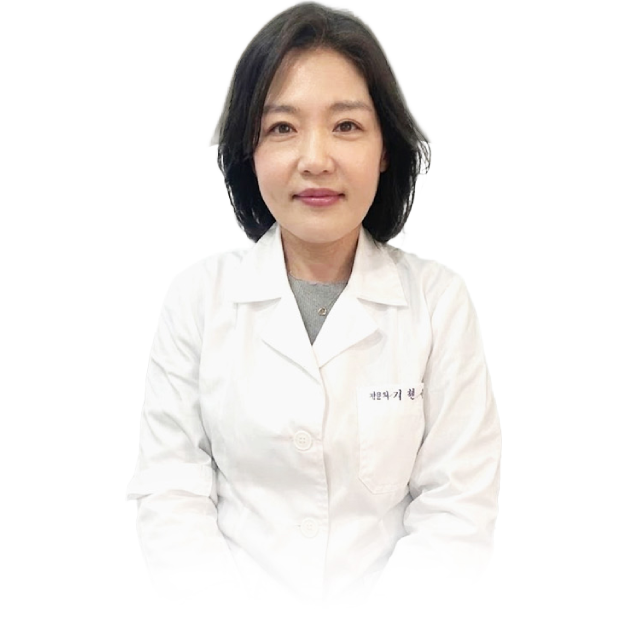
Care in this treatment area is directed by Dr Jin-Woo Doh, Representative Director of JD Clinic, and Hyunseon Kee, Director.
Dr Doh graduated from Seoul National University College of Medicine and is a Guest Professor at Seoul National University Hospital. Treatments for pigmentation, pores and scars are among his core specialisations.
Hyunseon Kee is a Director at JD Clinic. Her listed areas are aesthetic plastic surgery, aesthetic procedures and laser-based aesthetic treatments. She is a full member of the Korean Society of Aesthetic Plastic Surgery, the International Society of Aesthetic Surgery, and the Korean Society of Aesthetic Plastic Surgery and Laser. Dr Doh is also a full member of the Korean Society of Aesthetic Surgery and the Korean Society for Obesity Treatment.
JD Clinic has not provided licence or specialist-certification records for either doctor, so this page claims none. The clinic's records do not state an educational institution for Hyunseon Kee, so this page does not name one.
Before treatment, the doctor should:
examine your skin concern
review your medical history and medications
assess your skin type and your risk of healing or pigmentation problems
decide whether plasma resurfacing is appropriate for you
The third step is the one to look out for. Your risk of healing and pigmentation problems should be assessed before a device is chosen, not afterwards.
JD Clinic describes its approach as follows. Skin thickness, the degree of laxity and facial structure are assessed before a device is selected. Treatment then targets the intended tissue layer with the minimum number of passes needed, rather than using one fixed setting for every patient.
Who Is a Good Candidate for Neogen Plasma Resurfacing?
Adults with certain acne scars, wrinkles or texture concerns
People with acne scar texture or surface skin concerns who want resurfacing
People who are medically suitable for this specific plasma treatment
Patients who understand that there may be downtime and that results vary
Treatment may need to be postponed if you have:
an active infection, cold sores, open wounds or significant skin irritation
sunburn or a recent tan
a history of abnormal scarring, pigment changes or certain skin conditions, which need to be assessed rather than automatically ruled out
The clinic's own description of suitable candidates says that results vary, and you should take this literally. Plasma resurfacing can produce a range of outcomes depending on the concern, the settings and your skin. If you need a guaranteed result, this treatment is not a good match, and neither is any other treatment of this type.
It is also worth thinking about what it means that no anaesthesia is needed, rather than treating it simply as a convenience. A treatment that does not need numbing is delivered at an intensity most people can tolerate. This is reassuring, but it also limits how much one session can achieve.
If you expect the depth of change that comes with an ablative laser treatment, and the two-week recovery that goes with it, you are comparing this treatment with the wrong procedure. The right comparison is a short course of moderate treatments, with a day or two for the skin to settle after each one.
What to Expect: Procedure, Recovery and Results Timeline
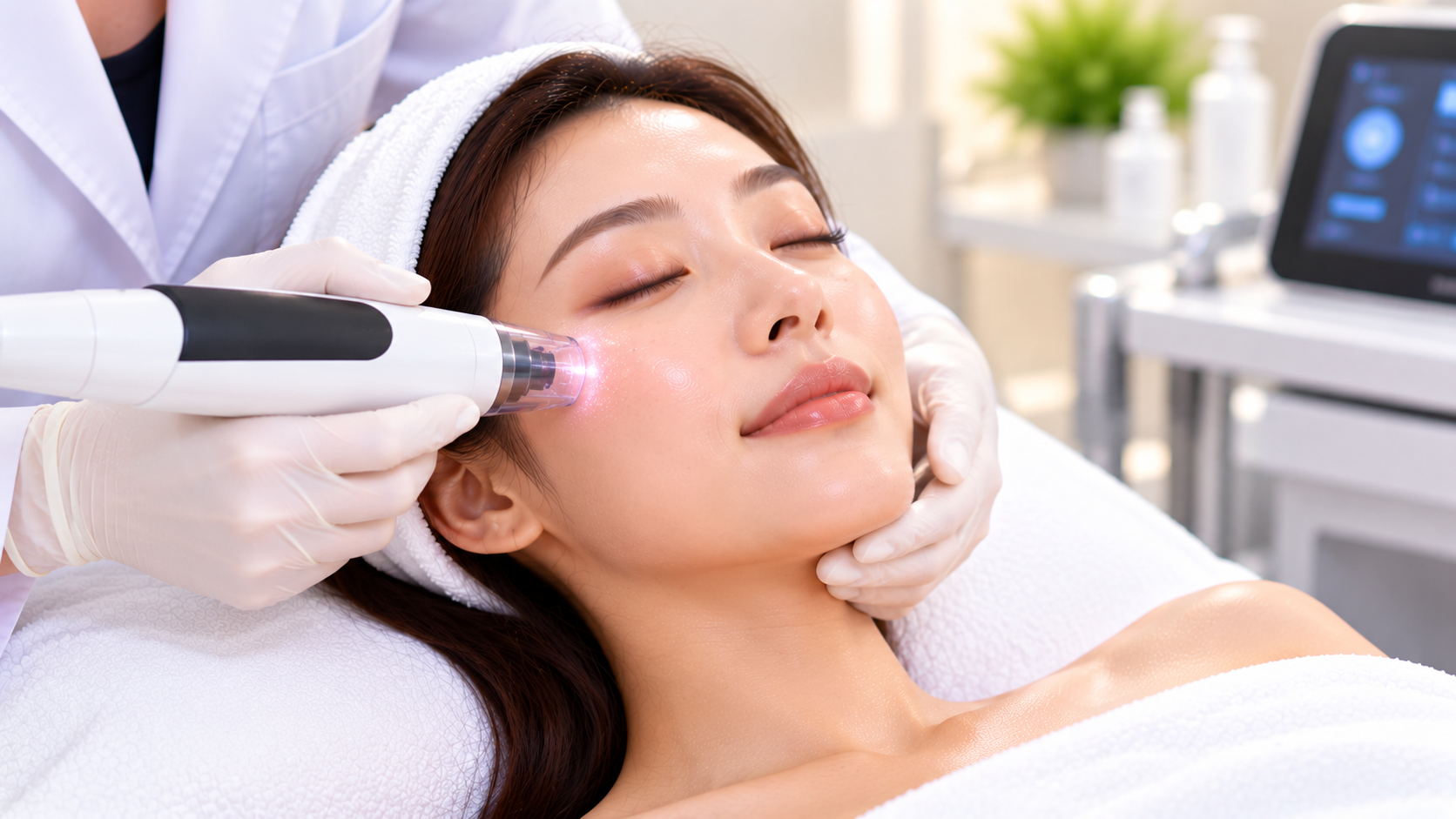
Your skin is assessed and prepared, and the doctor chooses the settings and the area to treat. The plasma handpiece is passed over the planned area to deliver controlled energy. Your skin is then checked, and you are given aftercare instructions.
Stage | What happens | Timing |
|---|---|---|
Assessment | Skin concern, history, medications, skin type, healing risk | Before treatment |
Treatment | Controlled plasma energy across the planned area | About 20–30 minutes |
Anaesthesia | None needed | — |
Recovery | Stated period | 1–2 days |
First 2–3 days | Keep skincare simple and avoid harsh cleansing | As the clinic advises |
Results | Develop as the skin responds | Varies with the concern and intensity |
Course | Recommended | 2–3 treatments |
Maintenance | Stated period | 1–2 months |
You may feel warmth, heat or stinging during treatment, followed by temporary redness or a burning sensation.
Short-term effects can include:
redness
a mild burning sensation
temporary bruising
temporary skin discolouration
Other possible effects include swelling, discomfort, crusting, peeling, pigment changes, slow healing, infection and scarring. Less common but important risks include infection, scarring, and long-lasting or permanent changes in skin colour.
Before treatment, tell the clinic about:
your medications and any products you apply to your skin
allergies
skin conditions
any history of cold sores
previous resurfacing treatments
any tendency to scar abnormally or develop pigmentation
Do not arrive with sunburned, irritated or injured skin. Ask the clinic whether you should stop using retinoids, exfoliating acids or other products that may irritate the skin before treatment, and for how long.
For travel, the clinic gives a caution rather than a specific time, and it is worth repeating exactly: do not rely on the one- to two-day recovery estimate alone to decide when you can fly. The clinic's records do not state a recommended length of stay, so ask the clinic directly. The clinic runs a 24-hour post-treatment feedback system. Once you have returned home, English-language aftercare is available through remote follow-up consultations and ongoing channels such as email and messaging.
Combining Neogen Plasma Resurfacing with Other Treatments
The clinic's records do not state a plan for combining this treatment with others, so this page does not describe one. After resurfacing, the skin needs its recovery period. Adding another procedure during that time increases inflammation without improving the result.
Alternatives include fractional laser resurfacing, microneedling, chemical peels and other treatments for acne scars and texture chosen by the doctor. These differ in how they work, how deep they go, how much downtime they need, their risks and who they suit. These differences are the real basis for choosing between them, and they are more useful to discuss than which device a clinic happens to own. More information about the clinic and its team is on the JD Clinic about page.
Safety, Precision and Clinic Standards
Since 2023, JD Clinic has been registered as a Registered Medical Institution for Attracting Foreign Patients. This certification is issued by the Korean Ministry of Health and Welfare under the Medical Overseas Expansion and Foreign Patients Attraction Act. The clinic's business registration number is 530-11-00701.
The clinic states that its quality-control process relies on individual medical assessment rather than on device-led selection. Treatment that is not needed is avoided rather than added. Consultation and treatment are led by doctors. For this treatment, the clinic reduces risk through:
a medical assessment
a review of your skin and health history
appropriate device settings
trained treatment staff
hygiene measures
clear aftercare and follow-up instructions
In the United States, plasma-based aesthetic skin treatments are regulated for specific cleared uses, not for the technology in general. For example:
Clearance for resurfacing moderate to severe wrinkles has been limited to Fitzpatrick skin types I to III, which are the lighter skin types.
A separate clearance covers treatment beneath the skin to improve loose skin on the neck and under the chin.
Using the device outside a cleared use has not been shown to be safe or effective.
On a page about treating pigmentation, this skin-type limitation is worth stressing. Treating pigment in skin that naturally contains more pigment is exactly the situation where the settings and the doctor's judgement matter most.
The American Society of Plastic Surgeons describes skin resurfacing and rejuvenation as a medical procedure. Its risks include burns, scarring, slow wound healing, changes in texture and uneven pigmentation. The society states that strict sun protection is needed for the first year after treatment to prevent uneven pigmentation.
For hyperpigmentation, the American Society for Dermatologic Surgery states that treatment usually starts with daily sunscreen and topical brightening products. Peels, microdermabrasion, intense pulsed light or lasers can be added if needed, and lasers should be used with care in darker skin tones.
English-language support is provided by a dedicated international patient coordinator, Cheon Seung-yeon, Team Manager, on weekdays from 09:30 to 19:00. Korean and Japanese coordination is also available.
The Bottom Line
Plasma energy is delivered across the planned area to treat pigmentation and acne scars.
Takes 20 to 30 minutes, needs no anaesthesia and has a stated recovery of one to two days.
Two to three treatments are recommended, and the effect lasts one to two months.
The clinic's own description says results vary, and this should be taken literally.
Do not use the recovery estimate alone to decide when to fly. Ask the clinic directly.
Frequently Asked Questions
Who is a good candidate for Neogen Plasma Resurfacing?
Adults with acne scar texture, certain surface skin concerns or wrinkles who want skin resurfacing. They should also be medically suitable for this specific treatment and understand that there may be downtime and that results vary.
Who should postpone treatment?
Anyone with an active skin infection, open wounds, significant skin irritation, a recent tan or sunburn. If you have a history of abnormal scarring, pigment changes or certain skin conditions, you need an assessment before going ahead, rather than being automatically ruled out.
How long does it take, and is it painful?
The clinic states that treatment takes approximately 20 to 30 minutes, and no anaesthesia is needed. You may feel warmth, heat or stinging during treatment, followed by temporary redness or a burning sensation afterwards.
What should I know about flying after this treatment?
The clinic's records do not state a recommended length of stay. The clinic's own guidance is not to rely on the one- to two-day recovery estimate alone to decide when you can fly. Ask the clinic directly what it recommends for your treatment and your skin.
What is recovery like?
Recovery takes about one to two days. The clinic advises keeping your skincare simple and avoiding harsh cleansing for the first two to three days. Possible short-term effects include redness, a mild burning sensation, temporary bruising and temporary skin discolouration.
When will I see results, and how many sessions will I need?
This depends on the concern being treated and the intensity used. You may notice some changes earlier, while improvement in acne scar texture or wrinkles develops gradually as the skin responds. The clinic recommends two to three treatments and states that the effect lasts one to two months.
What risks should I know about?
Possible risks include:
redness, swelling or discomfort
crusting or peeling
pigment changes
slow healing
infection or scarring
Less common but important risks are infection, scarring, and long-lasting or permanent changes in skin colour. This is why your skin type and healing history are assessed before the treatment is agreed.
Does JD Clinic publish a price for this treatment?
JD Clinic does not publish treatment prices for this market and provides a quotation after an individual consultation. Because two to three treatments are recommended, ask about the price of the whole course.
Book a Consultation at JD Clinic
If you want to address both acne scar texture and pigmentation, plasma resurfacing is one option. The discussion should start with an assessment of your skin type and healing history.
JD Clinic is located at B2, 616 Gangnam-daero, Gangnam-gu, Seoul, Republic of Korea. You can contact the clinic on +82-2-523-7581 or through its contact page. Consultation hours are:
Monday to Thursday, 09:30 to 19:00
Friday, 09:30 to 21:00
Saturday, 09:30 to 16:00
Weekday lunch break, 13:00 to 14:00
International patients can begin with an online enquiry through the JD Clinic contact page, and an English-speaking coordinator will follow up.
Disclaimer
This page is for general information only and is not medical advice, a diagnosis or a treatment recommendation. Outcomes differ from person to person. Only a consultation with a qualified doctor can decide whether a treatment is appropriate for you.
Sources and Further Reading
UPDATE: Use of Renuvion/J-Plasma Device for Certain Aesthetic Procedures: FDA Safety Communication — US Food and Drug Administration
Skin Rejuvenation Risks and Safety — American Society of Plastic Surgeons
Hyperpigmentation — American Society for Dermatologic Surgery
Acne scars: Consultation and treatment — American Academy of Dermatology
Other Services
Explore additional treatments offered at JD Clinic.