Physician-Led Non-Surgical Lifting & Aesthetic Medicine in Gangnam, Seoul
4.8 Google Rating (56 Reviews)
en-SG


Pigmentation, Pore & Scar Treatment · Needs Clinic Confirmation
Pladuo Plasma Therapy
Pladuo Plasma Therapy is a dual-energy skin treatment that JD Clinic in Gangnam, Seoul uses for acne scars and enlarged pores, delivering high-frequency and plasma energy at the same time.
Schedule a ConsultationPladuo Plasma Therapy

Medically reviewed by Dr. Jin-Woo Doh, Representative Director, JD Clinic, Gangnam, Seoul, and Hyunseon Kee, Director, JD Clinic
Pladuo Plasma Therapy is a dual-energy skin treatment that JD Clinic in Gangnam, Seoul uses for acne scars and enlarged pores, delivering high-frequency and plasma energy at the same time. Patients come to it for visible acne scarring, enlarged pores, uneven texture and post-acne skin changes — often because they want more than one texture concern addressed in the same session rather than across separate visits.
JD Clinic's doctor mapping is recorded at the specialty level, so this page names the doctors who direct care for this treatment area rather than claiming that one named doctor personally carries out every individual session.
What Is Pladuo Plasma Therapy?
Two energies are applied together, aimed at two related texture problems.
High-frequency and plasma energy are delivered simultaneously.
The intended targets are acne scars and pores together, not one at a time.
Anaesthetic cream is used, and the treatment takes about thirty minutes.
Recovery is stated at two to three days, and redness and scabbing may occur.
It is planned as a course. Maintenance is listed at one to three months, with a retreatment cycle of three to five sessions.
Scabbing is worth reading as a feature of this treatment rather than a complication: the clinic states plainly that scabs and redness may occur, and its aftercare instruction is to avoid irritation and focus on soothing and moisturising care while they settle.
Who Performs Pladuo Plasma Therapy at JD Clinic
|
|
Dr. Jin-Woo Doh | Dr, Hyunseon Kee |

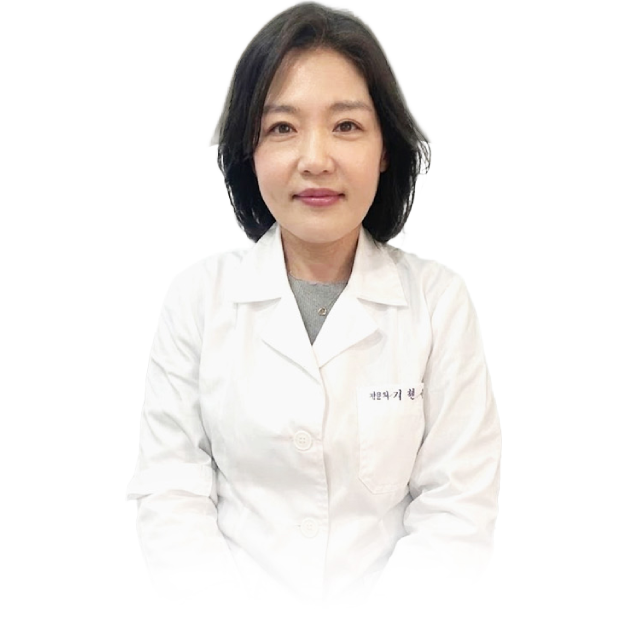
Care in this treatment area is directed by Dr. Jin-Woo Doh, Representative Director of JD Clinic, and Hyunseon Kee, Director.
Dr. Doh graduated from Seoul National University College of Medicine and serves as a Guest Professor at Seoul National University Hospital. Pigmentation, pores and scar treatments are named among his core specialisations.
Hyunseon Kee is a Director at JD Clinic whose listed areas are aesthetic plastic surgery, aesthetic procedures and laser-based aesthetic treatments. She is a full member of the Korean Society of Aesthetic Plastic Surgery, the International Society of Aesthetic Surgery, and the Korean Society of Aesthetic Plastic Surgery and Laser. Dr. Doh is additionally a full member of the Korean Society of Aesthetic Surgery and the Korean Society for Obesity Treatment.
JD Clinic has not provided licence or board-status records for either doctor, so none is claimed here, and no educational institution is attributed to Hyunseon Kee because the clinic's records do not state one.
Consultation should assess the acne-scar type and severity, the appearance of the pores, skin type, active acne, pigmentation tendency, previous treatments, medications and expectations. That first item carries most of the weight — acne scars have different shapes, including rolling, boxcar and ice-pick, and treatment selection differs by type.
JD Clinic describes its approach as assessing skin thickness, the degree of laxity and facial structure before selecting a device, then targeting the intended tissue layer with the minimum number of passes needed rather than applying one fixed setting to every patient.
Who Is a Good Candidate for Pladuo Plasma Therapy?
Adults with mild to moderate atrophic acne scarring
People with enlarged, visible pores and uneven texture
Those currently free of active acne breakouts or infection in the treatment area
Patients able to follow sun-avoidance and skincare restrictions for several days afterwards
Anyone with realistic expectations of gradual, cumulative improvement
Treatment may need to be postponed for:
Active skin infection, open wounds or significant inflammation in the area
Uncontrolled skin disease
Recently sunburned or irritated skin
Disclose medications, bleeding problems, a history of abnormal scarring, cold sores, a tendency towards post-inflammatory pigmentation, and previous aesthetic treatments. The "free of active acne" condition is not a formality: treating over an active breakout risks spreading inflammation rather than improving the scars left by the last one.
Pore expectations deserve their own sentence, because they are where disappointment most often comes from. Pores can be made less noticeable — through the texture of the skin around them, through reduced shadowing, through overall smoothness — but they cannot be closed or permanently eliminated, and any account of a treatment that implies otherwise is overpromising. A treatment aimed at pores and scars together is most satisfying for the patient who wants the surface to read more evenly, and least satisfying for the patient counting individual openings in a magnifying mirror.
There is also a sequencing point worth raising. If acne is still active, or has been within recent months, the useful order is to control it first and treat the scarring afterwards. That is the standard dermatological approach rather than a clinic preference, and attempting it in the other order tends to produce new marks alongside the old ones.
What to Expect: Procedure, Recovery, and Results Timeline
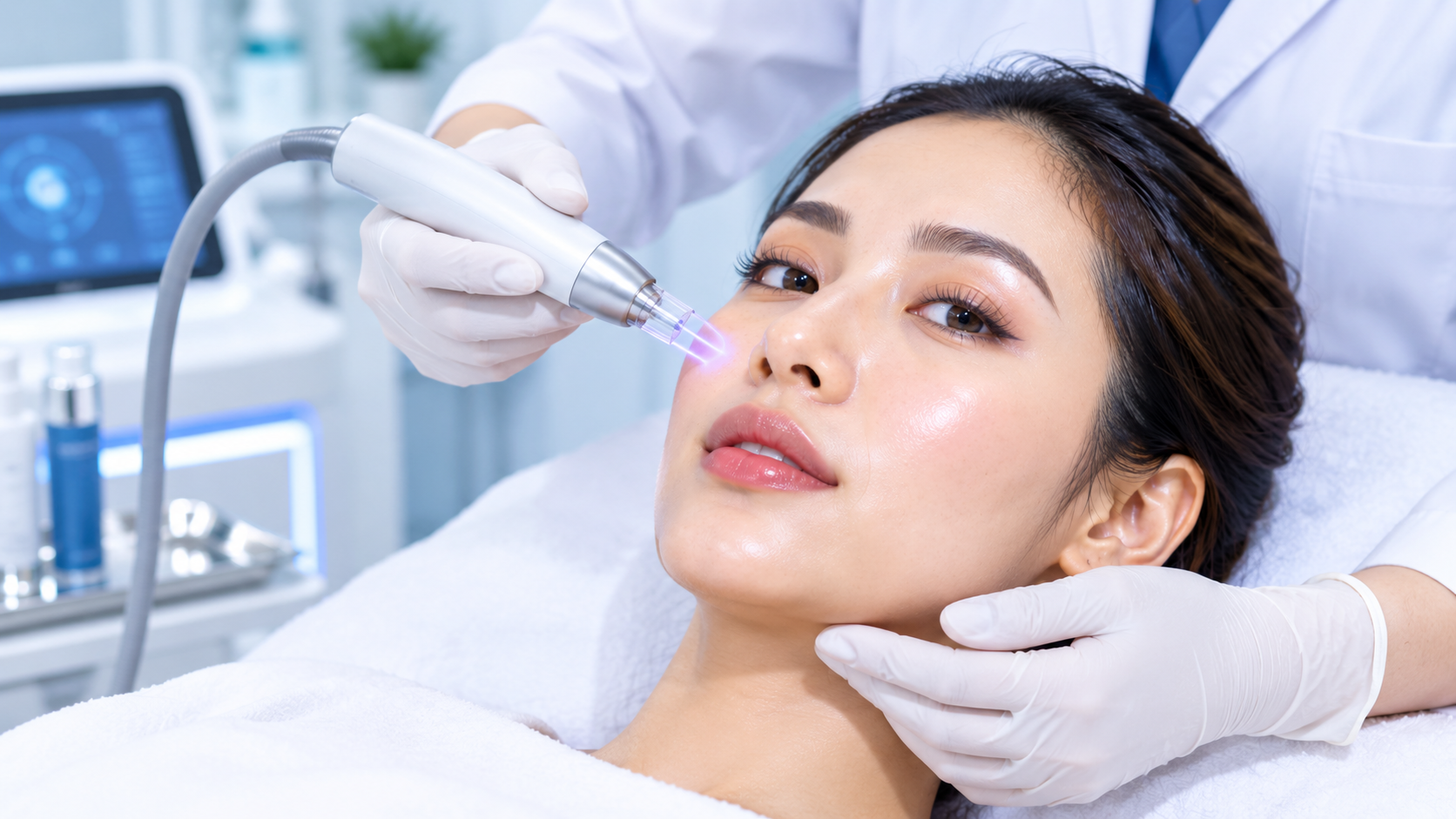
The sequence is consultation and assessment of scars and pores; cleansing and preparation; anaesthetic cream; the combined high-frequency and plasma treatment; treatment of the selected areas; a skin assessment afterwards; soothing and moisturising care instructions; and follow-up or further treatment according to the plan.
Stage | What happens | Timing |
|---|---|---|
Consultation | Scar type and severity, pores, skin type, pigmentation tendency | Before treatment |
Numbing | Anaesthetic cream | Before the session |
Treatment | High-frequency and plasma energy together | About 30 minutes |
Days 1–2 | Redness and scabbing may be present | Expected |
Days 2–3 | Clinic-listed recovery period | Continue soothing care |
After recovery | Gradual return to usual skincare | Per provider instructions |
Maintenance | Stated period | 1–3 months |
Course | Stated retreatment cycle | 3–5 sessions |
Discomfort, warmth or tenderness can occur during treatment, varying with intensity and individual sensitivity. Afterwards, avoid irritation and focus on soothing and moisturising care. General resurfacing risks apply and include prolonged redness, pigmentary changes, infection, burns, scarring and delayed healing, with individual risk depending on intensity and skin characteristics.
For travel, the clinic's own guidance is unusually explicit and worth following literally: because redness and scabs may occur, allow enough time to observe the early recovery period and arrange any recommended follow-up before flying home, and do not treat the thirty-minute procedure time as representing the total visit. Consider allowing the early recovery period before a long-haul flight. The clinic operates a 24-hour post-treatment feedback system, and English-language aftercare is available through remote follow-up consultation and ongoing channels such as email and messaging once a patient has returned home.
Combining Pladuo Plasma Therapy with Other Treatments
Combination treatment may be appropriate where a patient has different scar types or several skin concerns, and dermatology plans commonly pair resurfacing with procedures such as subcision or other scar treatments. The clinic attaches a condition worth respecting: combining procedures can increase inflammation and downtime, so sequencing should be individualised.
General alternatives for acne scars and pores include microneedling, radiofrequency microneedling, fractional laser resurfacing, chemical peels, subcision and selected scar-specific procedures — and acne-scar treatment should be selected by scar type. Subcision, for instance, is useful for tethered rolling scars, while resurfacing approaches suit selected textural ones. A plan that does not name your scar types is not yet a plan. More about the clinic and its team is on the JD Clinic about page.
Safety, Precision, and Clinic Standards
JD Clinic has been registered since 2023 as a Registered Medical Institution for Attracting Foreign Patients, certified by the Ministry of Health and Welfare in compliance with the Medical Overseas Expansion and Foreign Patients Attraction Act. The clinic's business registration number is 530-11-00701.
The clinic's stated quality-control process is individualised medical assessment rather than device-led selection, with treatment that is not needed avoided rather than added. Consultation and treatment are doctor-led.
Plasma-based aesthetic skin procedures are regulated by the specific cleared indication rather than by the technology in general: clearances for dermal resurfacing of moderate to severe wrinkles have been limited to Fitzpatrick skin types I–III, a separate clearance covers subcutaneous treatment of lax skin of the neck and submental region, and use outside a cleared indication has not been shown to be safe or effective. For a patient with a darker skin tone considering a plasma treatment, that is a reason to ask directly how skin type has been factored into the settings.
The American Academy of Dermatology describes acne scarring as treated with an individualised plan that may combine laser resurfacing, microneedling, radiofrequency microneedling, chemical peels, fillers or scar surgery, with active acne controlled first and sun protection used before peels to prevent post-procedure discolouration. The American Society of Plastic Surgeons describes skin resurfacing and rejuvenation as a medical procedure whose risks include burns, scarring, delayed wound healing, textural change and pigmentation irregularities, and states that absolute sun protection is needed for the first year afterwards to prevent irregular pigmentation.
Post-inflammatory hyperpigmentation deserves its own mention on a scar-treatment page. For hyperpigmentation, the American Society for Dermatologic Surgery describes treatment as starting with daily sunscreen and topical brightening agents, with peels, microdermabrasion, intense pulsed light or lasers added if needed — and lasers used with care in darker skin tones.
English-language support is provided by a dedicated international patient coordinator, Cheon Seung-yeon, Team Manager, on weekdays from 09:30 to 19:00, with Korean and Japanese coordination also available.
The Bottom Line
High-frequency and plasma energy delivered together for acne scars and enlarged pores.
Anaesthetic cream, about thirty minutes, and a stated two-to-three-day recovery with scabbing.
Planned as a course of three to five sessions, with maintenance at one to three months.
Active acne must be controlled first; scar type should be named before treatment is chosen.
Allow the early recovery period before a long flight rather than booking to the procedure time.
Frequently Asked Questions
Who is a good candidate for Pladuo Plasma Therapy?
Adults with mild to moderate atrophic acne scarring and enlarged, visible pores, free of active acne breakouts or infection in the treatment area, who can follow sun-avoidance and skincare restrictions for several days and expect gradual, cumulative improvement rather than a single dramatic change.
Who should postpone treatment?
Anyone whose treatment area has an active infection, an open wound, significant inflammation or severely irritated skin, and anyone with recently sunburned skin. Disclose active acne, medications, previous procedures, pigmentary problems and any history of abnormal scarring.
How long does it take, and is it painful?
The clinic states about thirty minutes, with anaesthetic cream applied before treatment. Discomfort, warmth or tenderness can occur, varying with the intensity used and individual sensitivity.
How much time should I allow in Korea for this?
Two to three days of recovery is what the clinic lists, and because redness and scabs may occur it advises allowing enough time to observe the early recovery period and to arrange any recommended follow-up before flying home. Treat the procedure time as the smallest part of the visit.
What is recovery like?
Redness and scabbing may be present on days one and two, with the clinic-listed recovery period at two to three days. Avoid irritation, focus on soothing and moisturising care, and return to your usual skincare gradually according to the provider's instructions.
When will I see results, and how many sessions will I need?
The clinic lists a maintenance period of one to three months and a retreatment cycle of three to five sessions. Improvement is gradual as the skin remodels, which is the normal pattern for this class of treatment rather than a sign of an under-powered session.
Why does scar type matter so much?
Because acne scars have different shapes — rolling, boxcar, ice-pick — and different shapes respond to different procedures. A resurfacing energy treatment addresses some textural scars well and tethered rolling scars poorly, where subcision may be more useful. Establishing which you have is the first real step.
Does JD Clinic publish a price for Pladuo Plasma Therapy?
JD Clinic does not publish treatment prices for this market; a quotation is given after an individual consultation. With a three-to-five-session cycle listed, the course rather than the single visit is the useful unit to discuss.
Book a Consultation at JD Clinic
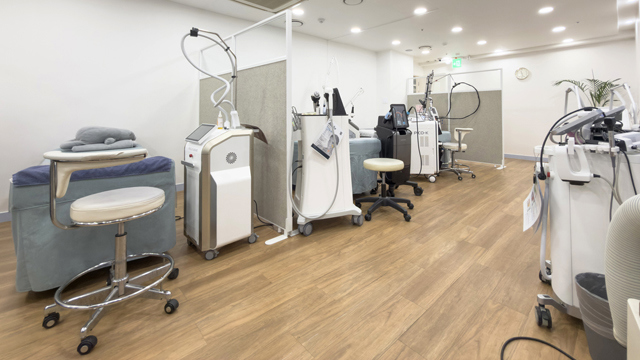
If acne scarring and enlarged pores are the concern, the first useful step is having the scars themselves classified rather than the treatment chosen. JD Clinic is located at B2, 616 Gangnam-daero, Gangnam-gu, Seoul, Republic of Korea, and can be reached on +82-2-523-7581 or through the clinic's contact page. Consultations run Monday to Thursday from 09:30 to 19:00, Friday until 21:00 and Saturday until 16:00, with a lunch break on weekdays from 13:00 to 14:00.
International patients can begin with an online enquiry through the JD Clinic contact page, and an English-speaking coordinator will follow up.
Disclaimer
This page is for general information only and is not medical advice, a diagnosis, or a treatment recommendation. Outcomes differ from person to person, and whether any treatment is appropriate for you can only be decided in a consultation with a qualified doctor.
Sources & Further Reading
Acne scars: Consultation and treatment — American Academy of Dermatology
Skin Rejuvenation Risks and Safety — American Society of Plastic Surgeons
Hyperpigmentation — American Society for Dermatologic Surgery
UPDATE: Use of Renuvion/J-Plasma Device for Certain Aesthetic Procedures — FDA Safety Communication — U.S. Food and Drug Administration
Other Services
Explore additional treatments offered at JD Clinic.