Physician-Led Non-Surgical Lifting & Aesthetic Medicine in Gangnam, Seoul
4.8 Google Rating (56 Reviews)
en-SG


Body Contouring & Obesity Treatment · Needs Clinic Confirmation
Stretch Mark Care
Stretch Mark Care at JD Clinic in Gangnam, Seoul is described as a long-term regenerative treatment using laser or radiofrequency equipment to promote skin regeneration and improve the appearance of stretch marks.
Schedule a ConsultationStretch Mark Care

Medically reviewed by Dr. Jin-Woo Doh, Representative Director, JD Clinic, Gangnam, Seoul, and Hyunseon Kee, Director, JD Clinic
Stretch Mark Care at JD Clinic in Gangnam, Seoul is described as a long-term regenerative treatment using laser or radiofrequency equipment to promote skin regeneration and improve the appearance of stretch marks. A session takes approximately thirty to forty minutes with anaesthetic cream, the recovery period is two to three days, and the clinic recommends series therapy at four-week intervals. One fact belongs at the top of any honest page about this subject: stretch marks are a type of scar and are permanent; treatment can make them less noticeable but cannot remove them. Everything below is written on that basis.
JD Clinic's doctor mapping is recorded at the speciality level, so this page names the doctors who direct care for this treatment area rather than claiming that one named doctor personally carries out every individual session.
What Is Stretch Mark Care?
Energy is delivered into the marked skin to prompt regeneration, in a course of treatments rather than a single visit.
The technology. Laser or radiofrequency equipment used to promote skin regeneration.
The approach. A long-term regenerative treatment, given as series therapy.
The time. Approximately thirty to forty minutes per session.
Comfort. Anaesthetic cream is applied before treatment; some temporary warmth, tingling or sensitivity may still be felt.
The schedule. Treatments at four-week intervals, with improvement developing over several weeks and continuing over the following months.
What the evidence says about the target. The American Academy of Dermatology describes stretch marks as a type of scar that is permanent, states that treatment can make them less noticeable but cannot remove them, notes that early marks respond better than mature ones, and lists chemical peels, laser therapy, microdermabrasion, radiofrequency and ultrasound among the in-office procedures dermatologists use for them. Two of those procedures are what this treatment uses, and the phrase "early marks respond better" is the most actionable sentence a patient can take from it.
Who Performs Stretch Mark Care at JD Clinic
|
|
Dr. Jin-Woo Doh | Dr, Hyunseon Kee |
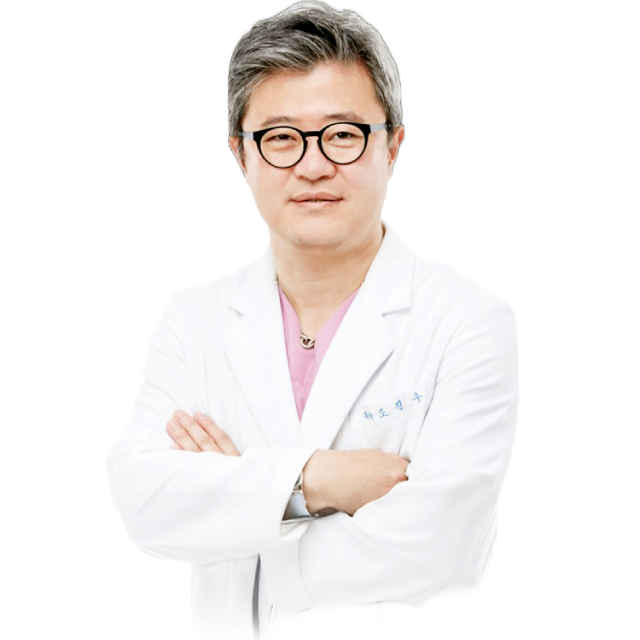
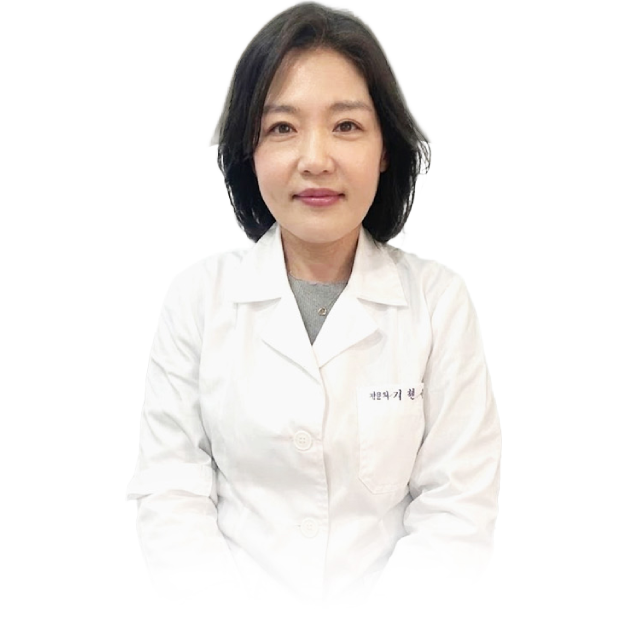
Care in this treatment area is directed by Dr. Jin-Woo Doh, Representative Director of JD Clinic, and Hyunseon Kee, Director.
Dr. Doh graduated from Seoul National University College of Medicine and serves as a Guest Professor at Seoul National University Hospital. Body and obesity treatments are named among his listed core specialisations.
Hyunseon Kee is a Director at JD Clinic whose listed areas are aesthetic plastic surgery, aesthetic procedures and laser-based aesthetic treatments. She is a full member of the Korean Society of Aesthetic Plastic Surgery, the International Society of Aesthetic Surgery, and the Korean Society of Aesthetic Plastic Surgery and Laser. Dr. Doh is additionally a full member of the Korean Society of Aesthetic Surgery and the Korean Society for Obesity Treatment.
JD Clinic has not provided licence or registration records for either doctor, so none is claimed here, and no educational institution is attributed to Hyunseon Kee because the clinic's records do not state one.
The treatment area and the characteristics of the stretch marks are assessed before an approach is selected, with settings then adjusted to the individual's skin condition. Characteristics matter more here than in most treatments: how old the marks are, whether they are still red or have faded to white, how wide they are, and where they sit all bear on what is realistic — and on which of the two technologies is the better fit.
The cause is worth establishing too. Stretch marks appear where skin is stretched rapidly — in pregnancy, puberty, rapid weight gain, obesity, prolonged cortisone use, or conditions such as Cushing syndrome — and often fade once the cause of stretching is gone. Where a cause is still active, that is a medical conversation before it is a cosmetic one.
Who Is a Good Candidate for Stretch Mark Care?
People concerned about the appearance of stretch marks
Those with realistic expectations about gradual improvement rather than removal
Patients whose marks are relatively recent, which respond better than mature ones
Anyone prepared to attend a series of treatments at four-week intervals
Treatment may need to be postponed for:
Anyone with an active skin infection in the treatment area
People with significant inflammation or irritated skin there
Patients with open wounds in the area
Anyone with another condition affecting the treatment area
It is worth being concrete about what "gradual improvement" looks like in practice, because the phrase is doing a lot of work. A treated mark can become narrower, flatter, closer in colour to the surrounding skin, or smoother to the touch — and different marks on the same body may change by different amounts over the same course. What does not happen is the skin returning to a state in which nothing is visible. A patient who understands that before the first session is in a better position to judge the result of the sixth, and a clinic that sets it out has made the course easier rather than harder to commit to.
Skin tone belongs in the assessment as well. Energy-based treatment of pigmented or scarred skin carries a risk of pigment change, and that risk is not evenly distributed across skin types — it is a reasonable thing to ask the clinician about directly, particularly where the marks sit on skin that tans easily or has darkened after previous injury.
What to Expect: Procedure, Recovery, and Results Timeline
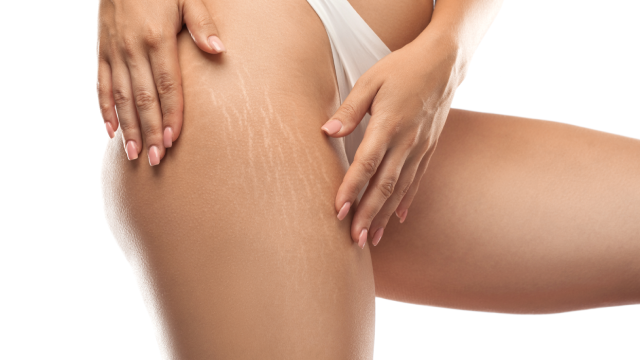
The treatment area is cleansed and numbing cream applied; the selected laser or radiofrequency device is used to target the stretch marks and stimulate regeneration; soothing care and moisturising follow, with aftercare guidance.
Stage | What happens | Timing |
|---|---|---|
Assessment | Area and mark characteristics; approach and settings chosen | Before treatment |
Numbing | Anaesthetic cream | Before the session |
Treatment | Laser or radiofrequency applied to the marks | Approximately 30–40 minutes |
Aftercare in clinic | Soothing care and moisturising | Immediately after |
Recovery | Stated period | 2–3 days |
Early effects | A scab may form at the treatment site | During healing |
Results | Texture, tone and appearance improving gradually | Over several weeks |
Series | As the clinic recommends | Treatments at 4-week intervals |
A scab may form at the treatment site, which is the effect the clinic names specifically. Potential risks include prolonged redness, irritation, pigment changes, infection or delayed healing, with individual risk depending on skin condition, treatment settings and personal factors.
Before treatment, arrive with clean skin, keep the area free from significant irritation, avoid products or activities that may sensitise it, and tell the provider about relevant skin conditions, medications or previous procedures. Afterwards, moisturising is essential, strong scrubs should be avoided, and any scab should be handled gently — not picked, not scrubbed off, and not hurried.
The recovery period is two to three days, and travel planning should allow time for that initial recovery and for follow-up if needed; patients should generally plan travel after the initial recovery period and follow individual medical advice. Two further points matter for a visitor. Sun exposure on freshly treated skin is a pigment risk rather than a comfort issue, so a beach day immediately afterwards is a poor plan. And because noticeable improvement requires a series at four-week intervals, a single visit delivers one instalment of a longer course. The clinic operates a 24-hour post-treatment feedback system, and English-language aftercare is available through remote follow-up consultation and ongoing channels such as email and messaging once a patient has returned home.
Combining Stretch Mark Care with Other Treatments
The clinic's records mark combination procedures for this treatment as requiring confirmation, so this page does not describe a pairing. Where skin is healing and may be scabbed, adding another treatment to the same area is a decision about timing above all, and the clinician managing the course is the person to ask.
The four-week interval is itself a form of sequencing, and it is worth respecting rather than compressing. Skin that has been treated is still remodelling when the next appointment comes round, and the interval exists so that each session acts on tissue that has recovered from the last one. A patient trying to fit several sessions into a single trip is asking for the schedule to be shortened, which is a clinical question rather than a scheduling one — and one the clinic is better placed to answer than a travel plan.
Other approaches for stretch marks may include microneedling, fractional laser, radiofrequency-based treatments, or topical therapies, with suitability and expected results varying by mark type and skin condition. The most useful thing to know when comparing them is that the ceiling is set by the nature of the target rather than by the technology: all of these improve appearance, and none removes a scar. More about the clinic and its team is on the JD Clinic about page.
Safety, Precision, and Clinic Standards
JD Clinic has been registered since 2023 as a Registered Medical Institution for Attracting Foreign Patients, certified by the Ministry of Health and Welfare in compliance with the Medical Overseas Expansion and Foreign Patients Attraction Act. The clinic's business registration number is 530-11-00701.
The clinic's stated quality-control process is individualised medical assessment rather than device-led selection, with treatment that is not needed avoided rather than added. Consultation and treatment are doctor-led. For this treatment its records describe assessing the marks' characteristics and adjusting settings to the individual's skin condition.
Both technologies used here are regulated. The Health Sciences Authority (HSA) and international regulators recognise laser treatment of the skin as a regulated medical procedure whose risks include incomplete treatment, pain, infection, bleeding, scarring and changes in skin colour — a list that maps closely onto the clinic's own risk note. Regulatory bodies have also issued safety communications stating that radiofrequency microneedling is a medical procedure rather than a cosmetic treatment and has been associated with reports of serious complications including burns, scarring, fat loss, disfigurement and nerve damage, so it should be performed only by a trained, qualified practitioner.
On aftercare, the sun-protection point is not a general wellness note but a specific one for treated skin. Sun protection as part of routine skin maintenance means broad-spectrum, water-resistant sunscreen of SPF 30 or higher, which is particularly relevant after exfoliating or resurfacing treatments that leave skin more sun-sensitive. Applied to a course of treatments spaced four weeks apart, that means sun protection across the whole course rather than for a few days after each session.
The American Academy of Dermatology advises anyone considering a cosmetic treatment to establish who will perform it, ask about their experience with that specific procedure, and discuss the risks and the realistic expected result before agreeing to anything. For this treatment the realistic expected result is the crux, and a clinician who describes improvement rather than removal is describing it accurately.
English-language support is provided by a dedicated international patient coordinator, Cheon Seung-yeon, Team Manager, on weekdays from 09:30 to 19:00, with Korean and Japanese coordination also available.
The Bottom Line
Laser or radiofrequency used to prompt regeneration in stretch-marked skin.
Thirty to forty minutes with anaesthetic cream; a two-to-three-day recovery.
A scab may form — handle it gently, moisturise, and avoid scrubs.
Stretch marks are permanent scars; treatment improves appearance rather than removing them.
Series therapy at four-week intervals is what produces noticeable change.
Recent marks respond better than mature ones, so timing the decision matters.
Frequently Asked Questions
Who is a good candidate for Stretch Mark Care?
People concerned about the appearance of stretch marks who have realistic expectations about gradual improvement. Earlier marks respond better than mature ones, which is worth knowing when deciding whether and when to treat.
Who should avoid or postpone treatment?
Anyone with active skin infections, significant irritation, open wounds, or other conditions affecting the treatment area should postpone until the area has settled.
How long does it take, and is it painful?
Approximately thirty to forty minutes. Anaesthetic cream is used before the procedure to improve comfort, though some temporary warmth, tingling or sensitivity may still be felt.
How long should I stay in Korea, and when can I fly home?
The recovery period is two to three days, so travel planning should allow time for initial recovery and any follow-up. Plan travel after that initial period and follow individual medical advice. Two details are worth building into the plan rather than discovering: a scab may still be present when you fly, which is a reason to keep the area covered and unscrubbed in transit, and sun exposure on recently treated skin carries a pigment risk — so a beach stop on the way home is a poor idea even if the skin feels fine.
When will I see results, and how long do they last?
Improvements in texture, tone and overall appearance develop gradually over several weeks as the skin regenerates, with results continuing to develop over the following months. Noticeable improvement typically requires a series of treatments.
What are the common side effects?
A scab may form at the treatment site during recovery. Prolonged redness, irritation, pigment changes, infection or delayed healing are the potential risks, depending on skin condition, settings and individual factors.
Can stretch marks be removed completely?
No. Stretch marks are a type of scar and are permanent; treatment can make them less noticeable but cannot remove them. A clinic describing improvement rather than removal is being accurate.
Does JD Clinic publish a price for this treatment?
JD Clinic does not publish treatment prices for this market; a quotation is given after an individual consultation. Since series therapy at four-week intervals is what the clinic recommends, ask what a full course costs.
Book a Consultation at JD Clinic
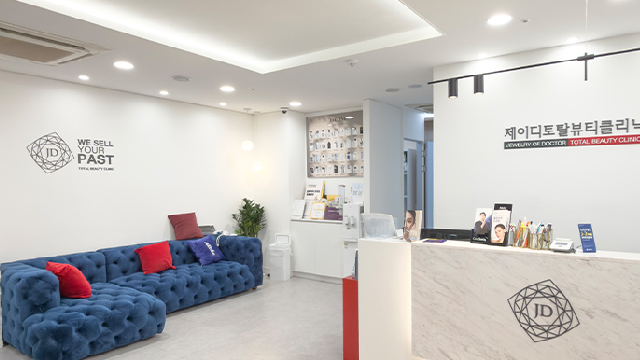
If stretch marks are what you would change, a course of regenerative treatment can make them less noticeable — and a consultation is where realistic expectations get set. JD Clinic is located at B2, 616 Gangnam-daero, Gangnam-gu, Seoul, Republic of Korea, and can be reached on +82-2-523-7581 or through the clinic's contact page. Consultations run Monday to Thursday from 09:30 to 19:00, Friday until 21:00 and Saturday until 16:00, with a lunch break on weekdays from 13:00 to 14:00.
International patients can start with an online enquiry through the JD Clinic contact page, and an English-speaking coordinator will follow up.
Disclaimer
This page is for general information only and is not medical advice, a diagnosis, or a treatment recommendation. Outcomes differ from person to person, and whether any treatment is appropriate for you can only be decided in a consultation with a qualified doctor.
Other Services
Explore additional treatments offered at JD Clinic.