Physician-Led Non-Surgical Lifting & Aesthetic Medicine in Gangnam, Seoul
4.8 Google Rating (56 Reviews)
en-SG

Specialty Overview
Pigmentation, Pore & Scar Treatment
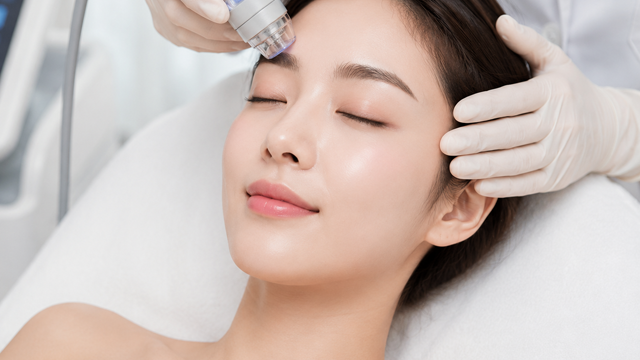
Pigmentation, pore and scar treatment is a broad category of dermatological and aesthetic treatments used to improve uneven skin tone, dark spots, melasma, enlarged pores, acne scars and uneven skin texture.
Schedule a ConsultationDr. Jin-Woo Doh
Representative Director
Hyunseon Kee
Director
Care in this treatment area is directed by Dr. Jin-Woo Doh, Representative Director of JD Clinic, and Hyunseon Kee, Director.
Dr. Doh graduated from Seoul National University College of Medicine and serves as a Guest Professor at Seoul National University Hospital. Pigmentation, pores and scar treatments are named among his core specialisations, which is the grounding for this page specifically rather than for the clinic in general. His documented technique expertise is about matching intensity and depth to the individual rather than applying a standard setting.
Hyunseon Kee is a Director at JD Clinic whose listed areas are aesthetic plastic surgery, aesthetic procedures and laser-based aesthetic treatments. She is a full member of the Korean Society of Aesthetic Plastic Surgery, the International Society of Aesthetic Surgery, and the Korean Society of Aesthetic Plastic Surgery and Laser. Dr. Doh is additionally a full member of the Korean Society of Aesthetic Surgery and the Korean Society for Obesity Treatment.
Her laser-based work is the part of that record most directly relevant here, since much of this treatment area runs through laser or light.
JD Clinic has not provided licence or board-status records for either doctor, so none is claimed here, and no educational institution is attributed to Hyunseon Kee because the clinic's records do not state one.
JD Clinic describes its approach as assessing skin thickness, the degree of laxity and facial structure before selecting a device, then targeting the intended tissue layer with the minimum number of passes needed rather than applying one fixed setting to every patient.
Pigmentation, Pore & Scar Treatment Options Available
Concern | Options the clinic lists | What decides the choice |
|---|---|---|
Pigmentation | Topical medication, chemical peels, selected lasers and light treatment, strict photoprotection | Cause and depth of the pigment; skin type |
Melasma | The same, with particular caution | Risk of worsening or recurrence |
Enlarged pores | Topical retinoids or nicotinamide, chemical peels, lasers, microneedling-based treatment | Sebum, surface texture, or loss of firmness |
Atrophic acne scars | Microneedling, RF microneedling, laser resurfacing, TCA CROSS, subcision, fillers | Scar type, depth, location |
Post-acne discolouration | Pigment-directed treatment rather than resurfacing | Whether the mark is colour or contour |
Uneven texture | Resurfacing or collagen-based treatment | Depth of the irregularity |
Exion, Pico Laser and Lavieen are named in the clinic's records as energy-based technologies that may be used for pigmentation, enlarged pores, acne scars and overall skin rejuvenation, depending on the individual's skin condition. The clinic does not claim a proprietary technique for this area; what it does describe as individualised is the modality, the depth or intensity, the area treated, the number of sessions, the interval between them, and which modalities are combined.
Independent guidance lines up with that. The American Academy of Dermatology describes acne scarring as treated with an individualised plan that may combine laser resurfacing, microneedling, radiofrequency microneedling, chemical peels, fillers or scar surgery, with active acne controlled first and sun protection used before peels to prevent post-procedure discolouration. For hyperpigmentation, the American Society for Dermatologic Surgery describes treatment as starting with daily sunscreen and topical brightening agents, with peels, microdermabrasion, intense pulsed light or lasers added if needed — and lasers used with care in darker skin tones.
Who Is a Good Candidate for Pigmentation, Pore & Scar Treatment?
People with a clearly identified concern — dark spots, melasma, post-acne pigmentation, enlarged pores, acne scars or uneven texture
Patients with realistic expectations of gradual improvement rather than removal
Those willing to maintain sun protection, which is part of the treatment rather than an adjunct
For acne scarring, patients whose active acne is already controlled
Treatment may need to be postponed or avoided with:
Active skin infection, significant inflammation or open wounds
Uncontrolled skin disease
Recent excessive sun exposure
Certain bleeding disorders, medications or immune conditions
A history of abnormal scarring or previous pigment change after a procedure
Individual assessment decides this, and the assessment is specific: for acne scars the clinician evaluates whether they are atrophic, rolling, boxcar, ice-pick, raised, or primarily discolouration-related, because those are not one problem with one answer. The American Academy of Dermatology also makes a point worth repeating before any age-spot treatment — a skin examination should come first, because some pigmented spots are skin cancer.
Skin type belongs in this conversation from the first minute rather than as a late complication. Several of the treatments listed above behave differently in darker skin tones, and the risk that a procedure intended to even out tone instead leaves the skin darker or patchier is the single most common reason a patient in this category ends up worse off than when they started. Bringing a history of how your skin has reacted to previous procedures, sun exposure or inflammation is more useful at consultation than a list of the devices you have read about.
What to Expect: Procedure, Recovery, and Results Timeline
The sequence is consultation and diagnosis; assessment of pigmentation, pores, scars and skin type; selection of the modality; cleansing and preparation; the treatment itself; an immediate skin assessment; aftercare and sun-protection instructions; and a follow-up assessment where the plan is adjusted if further sessions are appropriate.
Anaesthesia depends on the procedure. Topical numbing is commonly used before microneedling and may be used for some laser or energy-based procedures; superficial peels and some light-based treatments need little or none; deeper procedures may need stronger pain control. There is no single anaesthesia protocol for this area because it is not a single procedure.
Stage | What happens | Typical timing |
|---|---|---|
Consultation | Type and cause identified; skin type and sensitivity assessed | Before any treatment |
Session | From a short superficial procedure to a longer combination session | Varies by modality and area |
Low-downtime treatments | Minimal visible recovery | Hours to a day or two |
Stronger peels, laser, microneedling | Redness, peeling, swelling, sensitivity settle | Several days or longer |
Pigmentation change | Gradual, with consistent treatment and sun protection | Weeks, and may recur |
Scar remodelling | Gradual collagen change over multiple sessions | Weeks to months |
Recovery varies considerably, and that variation is the planning problem for anyone flying in. There is no universal minimum stay and no universal safe interval before flying: a low-downtime treatment can fit into a short visit, while a procedure that causes peeling, swelling, crusting or significant redness needs the recovery time built into the trip. Follow-up needs should be considered before a return flight is booked.
Aftercare is gentle skincare, adequate moisturisation, sun protection, no picking, and whatever is specific to the procedure performed. Sunscreen matters more here than anywhere else in this clinic's menu — the American Society of Plastic Surgeons advises absolute sun protection for the first year after skin resurfacing to prevent irregular pigmentation, and the NHS sets a practical standard of at least SPF 30 with at least four-star UVA protection, applied generously and reapplied roughly every two hours.
Contact a medical provider for severe pain, significant swelling, blistering, symptoms of infection, or unexpected pigment change. The clinic operates a 24-hour post-treatment feedback system, and English-language aftercare is available through remote follow-up consultation and ongoing channels such as email and messaging once a patient has returned home.
Combining Pigmentation, Pore & Scar Treatment with Other Treatments
Combination treatment can be useful when a patient has more than one concern, or more than one type of acne scar — resurfacing paired with a procedure addressing scar depth or volume, for instance. The clinic attaches a condition that is worth taking seriously: combination must be individualised, because excessive or poorly timed procedures can increase irritation and pigmentary complications.
Melasma is the case where that caution is sharpest. The British Association of Dermatologists states that there is no cure for melasma, that treatment aims to improve appearance, and that laser treatment of pigmentation can worsen pigmentation or leave lighter patches — an outcome seen more often in people of colour. The American Academy of Dermatology's approach for melasma leads with daily sun protection and topical medication, with a procedure added only sometimes. A plan for melasma that starts with a device is the wrong shape.
More about the clinic and its team is on the JD Clinic about page.
Safety, Precision, and Clinic Standards
JD Clinic has been registered since 2023 as a Registered Medical Institution for Attracting Foreign Patients, certified by the Ministry of Health and Welfare in compliance with the Medical Overseas Expansion and Foreign Patients Attraction Act. The clinic's business registration number is 530-11-00701.
The clinic's stated quality-control process is individualised medical assessment rather than device-led selection, with treatment that is not needed avoided rather than added. Consultation and treatment are doctor-led.
The risks in this area are specific and documented. Procedures that injure or heat the skin can cause post-inflammatory hyperpigmentation or hypopigmentation, infection, burns or scarring, alongside the temporary redness, swelling, dryness, peeling, tenderness, burning, bruising and crusting that are expected. The U.S. Food and Drug Administration describes laser treatment of the skin as a regulated medical procedure whose recognised risks include incomplete treatment, pain, infection, bleeding, scarring and changes in skin colour. The American Society for Dermatologic Surgery advises avoiding sun exposure, tanning and peels in the weeks before laser and light therapy for sun-damaged skin.
One more regulatory point belongs here because it affects what patients do between visits: the U.S. Food and Drug Administration warns that over-the-counter skin-lightening products containing hydroquinone or mercury are not approved for over-the-counter sale and can be harmful. Pigmentation is treated under medical supervision, not with unregulated lightening products bought to bridge the gap.
English-language support is provided by a dedicated international patient coordinator, Cheon Seung-yeon, Team Manager, on weekdays from 09:30 to 19:00, with Korean and Japanese coordination also available.
The Bottom Line
Pigmentation, pores and scars are three problems, and the diagnosis decides the treatment.
Acne scars are classified by type and depth before anything is selected, and active acne is controlled first.
Melasma is the standing exception: sun protection and topical treatment lead, procedures follow cautiously if at all.
Improvement is gradual and usually needs multiple sessions; pigment can recur and pores cannot be permanently eliminated.
Recovery ranges from none to more than a week, so the treatment decides the trip, not the other way round.
Frequently Asked Questions
Who is a good candidate for this treatment area?
Generally, someone with a clearly identified concern — dark spots, melasma, post-acne pigmentation, enlarged pores, acne scars or uneven texture. Which treatment is appropriate depends on the cause, the skin type, the severity, and whether there is active acne or inflammation. Two people with visually similar marks can need different treatments, or one of them may need none.
Who should postpone treatment?
Anyone with an active skin infection, open wound, significant inflammation, uncontrolled skin condition, or recent excessive sun exposure. Certain procedures are also unsuitable with particular medications, bleeding disorders or immune conditions, or with a history of abnormal scarring. Because suitability depends on which procedure is proposed, this is settled after the diagnosis, not before it.
Is it painful, and what anaesthesia is used?
It depends entirely on the treatment. Topical treatments and superficial procedures cause little discomfort; microneedling, lasers and stronger peels can produce warmth, stinging, pressure or burning. Topical numbing is commonly used before microneedling and may be used for some energy-based procedures. There is no single anaesthesia protocol, because this is not a single procedure.
How long should I stay in Korea, and when can I fly home?
There is no universal answer for this treatment area. A low-downtime treatment can be scheduled within a short visit; a procedure causing peeling, swelling, crusting or significant redness is better planned with recovery time built in. Flight timing depends on the procedure and on individual skin response, so follow the treating provider's travel instructions rather than a general rule.
When will I see results?
Some pigmentation treatments produce visible change relatively early. Collagen-based treatments such as microneedling and scar resurfacing improve gradually as the skin remodels, and multiple sessions are commonly necessary — particularly for acne scars and persistent pigmentation. Maintenance may be needed depending on the underlying cause.
What are the realistic limits?
Pigmentation may improve with consistent treatment and sun protection but can recur, particularly melasma. Scars generally improve rather than disappear completely. Enlarged pores can be made less noticeable but not permanently eliminated. Those are the clinic's own stated limitations, and a plan built on them is more likely to satisfy than one built on removal.
What should I tell the clinic before treatment?
Medications, allergies, active acne, cold-sore history, skin conditions, previous procedures, pregnancy or breastfeeding status where relevant, and any previous pigment change or abnormal scarring. Maintain sun protection beforehand, especially when pigmentation is the concern, and avoid treating over actively irritated, infected or damaged skin.
Does JD Clinic publish prices for this treatment area?
JD Clinic does not publish treatment prices for this market; a quotation is given after an individual consultation. Since the number of sessions is itself part of the diagnosis here, a single figure would misrepresent what most patients in this area actually need.
Book a Consultation at JD Clinic
If uneven tone, enlarged pores or acne scarring is the reason you are reading this, the useful first step is a diagnosis of which of those it is. JD Clinic is located at B2, 616 Gangnam-daero, Gangnam-gu, Seoul, Republic of Korea, and can be reached on +82-2-523-7581 or through the clinic's contact page. Consultations run Monday to Thursday from 09:30 to 19:00, Friday until 21:00 and Saturday until 16:00, with a lunch break on weekdays from 13:00 to 14:00.
International patients can begin with an online enquiry through the JD Clinic contact page, which is the right place to raise skin type, previous pigment reactions and travel dates before a plan is proposed.
Disclaimer
This page is for general information only and is not medical advice, a diagnosis, or a treatment recommendation. Outcomes differ from person to person, and whether any treatment is appropriate for you can only be decided in a consultation with a qualified doctor.
Sources & Further Reading
Melasma: Diagnosis and treatment — American Academy of Dermatology
Acne scars: Consultation and treatment — American Academy of Dermatology
What can get rid of age spots? — American Academy of Dermatology
What can treat large facial pores? — American Academy of Dermatology
Melasma — British Association of Dermatologists
Hyperpigmentation — American Society for Dermatologic Surgery
Laser/light Therapy for Sun-damaged Skin — American Society for Dermatologic Surgery
Intense Pulsed Light Therapy for Aging Skin — American Society for Dermatologic Surgery
Skin Rejuvenation Risks and Safety — American Society of Plastic Surgeons
Medical Lasers — U.S. Food and Drug Administration
Skin Facts! What You Need to Know About Skin Lightening Products — U.S. Food and Drug Administration
Sunscreen and sun safety — NHS
Related Services
Procedures available at JD Clinic.

truSculpt iD Facial Contouring
truSculpt iD Facial Contouring is a non-surgical treatment that uses radiofrequency energy to deliver controlled heat to targeted areas of the face, helping to support facial contouring and improve the appearance of localised areas without incisions.
Learn More
Emface RF Facial Toning
EMFACE RF Facial Toning is a non-invasive facial treatment that combines high-frequency energy with Hi-Pass technology to target the facial muscles and dermal layers simultaneously, supporting muscle toning and the appearance of firmer skin and more defined facial contours.
Learn More

Eye Area Shrink
Eye Area Shrink is a non-surgical micro-ultrasound treatment for the skin around the eyes, intended to improve the appearance of elasticity and to soften the look of mild laxity and fine lines.
Learn More