Physician-Led Non-Surgical Lifting & Aesthetic Medicine in Gangnam, Seoul
4.8 Google Rating (56 Reviews)
en-US


Skin Boosters · Needs Clinic Confirmation
Pangyes Skin Booster
Pangyes Skin Booster uses 34G micro-needles to deliver a fine mist of skincare solution into the skin under high pressure, with the solution selected according to the patient's skin condition.
Schedule a ConsultationPangyes Skin Booster

Medically reviewed by Dr. Jin-Woo Doh, Representative Director, JD Clinic, Gangnam, Seoul, and Dr. Hyunseon Kee, Director, JD Clinic
Pangyes Skin Booster uses 34G micro-needles to deliver a fine mist of skincare solution into the skin under high pressure, with the solution selected according to the patient's skin condition. At JD Clinic in Gangnam, Seoul it is the shortest treatment in the booster menu — ten to fifteen minutes with little to no downtime — and, like the clinic's other delivery-device treatments, what it achieves depends less on the device than on what is being delivered and why.
JD Clinic's doctor mapping is recorded at the specialty level, so this page names the doctors who direct care for this treatment area rather than claiming that one named doctor personally carries out every individual session.
What Is Pangyes Skin Booster?
A very fine needle enters the skin and a selected solution is carried in under pressure, across the treated area.
The needle gauge is stated. 34G micro-needles — among the finest used in aesthetic practice.
The solution is chosen, not fixed. Formulations are selected according to the patient's skin condition.
Pressure assists delivery rather than the solution relying on the needle alone.
Anaesthetic cream is used, and the session takes approximately ten to fifteen minutes.
Downtime is little to none, with daily activities resumed the same day or within a day.
The clinic describes this as a device designed for comfortable infiltration of skincare solutions into the skin with high precision and hygienic single-use cartridge tips. This page reports that description; the device's regulatory status in any particular market is not documented in the clinic's records and is a reasonable thing to ask about rather than to assume.
Who Performs Pangyes Skin Booster Treatment at JD Clinic
|
|
Dr. Jin-Woo Doh | Dr. Hyunseon Kee |

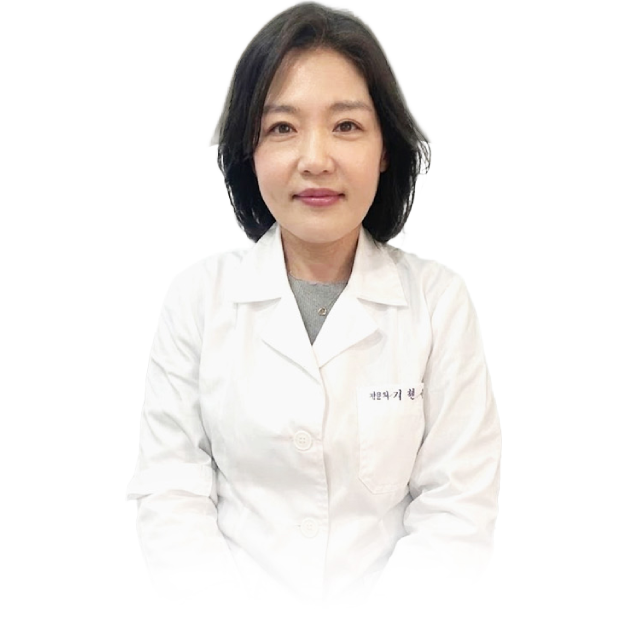
Care in this treatment area is directed by Dr. Jin-Woo Doh, Representative Director of JD Clinic, and Dr. Hyunseon Kee, Director.
Dr. Doh graduated from Seoul National University College of Medicine and serves as a Guest Professor at Seoul National University Hospital. Skin boosters are named among his listed core specializations.
Dr. Hyunseon Kee is a Director at JD Clinic whose listed areas are aesthetic plastic surgery, aesthetic procedures and laser-based aesthetic treatments. She is a full member of the Korean Society of Aesthetic Plastic Surgery, the International Society of Aesthetic Surgery, and the Korean Society of Aesthetic Plastic Surgery and Laser. Dr. Doh is additionally a full member of the Korean Society of Aesthetic Surgery and the Korean Society for Obesity Treatment.
JD Clinic has not provided licence or board-status records for either doctor, so none is claimed here, and no educational institution is attributed to Dr. Hyunseon Kee because the clinic's records do not state one.
Consultation evaluates skin condition, hydration level and specific concerns in order to select the solution and set the pressure parameters. The clinic states that treatment is customised to the patient's skin condition and concerns, with precise diagnosis and detailed technique.
JD Clinic describes its approach as assessing skin thickness, the degree of laxity and facial structure before selecting a device, then targeting the intended tissue layer with the minimum number of passes needed rather than applying one fixed setting to every patient.
Who Is a Good Candidate for Pangyes Skin Booster?
Adults with marked skin dryness
People with a loss of elasticity or rough texture
Those with fine lines who want hydration addressed first
Patients looking for immediate hydration with minimal discomfort and no real downtime
Treatment is generally not suitable for:
Anyone with open facial wounds or an active localised skin infection
People with bleeding disorders
Anyone with a known allergy to specific skin booster ingredients
The allergy exclusion is where this treatment differs from a device-only procedure: the solution, not the needle, is what you can react to. If you have reacted to an injectable or a mesotherapy solution before, establishing what was in it is more useful than recording that something happened.
What to Expect: Procedure, Recovery, and Results Timeline
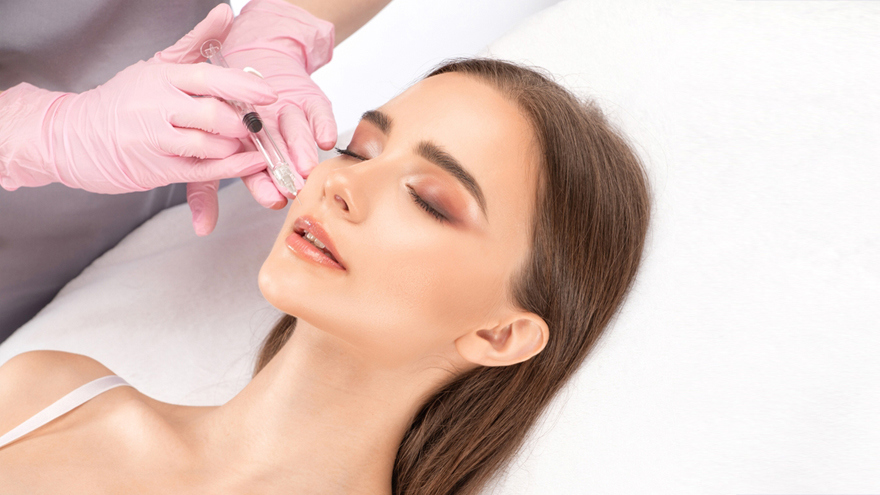
The clinic's records leave the step-by-step sequence blank for this treatment, so this page does not invent one. What is documented is the mechanism, the timings and the care around them.
Stage | What happens | Timing |
|---|---|---|
Consultation | Skin condition, hydration, concerns; solution and pressure set | Before treatment |
Numbing | Anaesthetic cream | Before the session |
Treatment | 34G micro-needles with pressure-assisted delivery | Approximately 10–15 minutes |
Recovery | Little to no downtime | Same day or within 1 day |
Early effects | Minor redness, slight swelling, pinpoint irritation | Immediately after |
Results | May last approximately 1–3 months | Individual |
Patients may experience minor temporary skin redness, slight local swelling, or mild pinpoint irritation immediately after the micro-injection process. Anaesthetic cream is used beforehand.
Before treatment, clean the face thoroughly and avoid aggressive facial scrubs or chemical exfoliants directly before the appointment. Afterwards, avoid irritation, moisturise thoroughly, use sunscreen, and follow the clinic's specific post-treatment instructions.
With little to no downtime, daily activities generally resume the same day or within a day. The clinic's records do not state a recommended length of stay or a flight interval for this treatment, so confirm travel timing rather than inferring it. The clinic operates a 24-hour post-treatment feedback system, and English-language aftercare is available through remote follow-up consultation and ongoing channels such as email and messaging once a patient has returned home.
Combining Pangyes Skin Booster with Other Treatments
The clinic describes this treatment as able to be combined with radiofrequency tightening or ultrasound lifting, addressing deep laxity and surface texture at once. The two act on different things, which is what makes the combination coherent rather than redundant — though the order and spacing remain a clinical decision.
Alternatives include manual mesotherapy needle injections, topical skin hydration therapies, or needle-free transdermal delivery platforms. The useful distinction between these is depth and precision: a topical treatment stays at the surface, a manual injection places product where the injector chooses, and a pressure-assisted micro-needle device sits between them. Which suits depends on where the concern actually is. More about the clinic and its team is on the JD Clinic about page.
Safety, Precision, and Clinic Standards
JD Clinic has been registered since 2023 as a Registered Medical Institution for Attracting Foreign Patients, certified by the Ministry of Health and Welfare in compliance with the Medical Overseas Expansion and Foreign Patients Attraction Act. The clinic's business registration number is 530-11-00701.
The clinic's stated quality-control process is individualised medical assessment rather than device-led selection, with treatment that is not needed avoided rather than added. Consultation and treatment are physician-led. For this treatment it points to customisation according to the patient's skin condition and concerns, with precise diagnosis and detailed technique.
Two categories of guidance apply here, because this is both an injection and a device-assisted delivery. The Centers for Disease Control and Prevention notes that cosmetic procedures are among the settings where unsafe injection practices occur, and that reusing needles or syringes or mishandling medication vials can transmit hepatitis B, hepatitis C, bacterial and fungal infections and possibly HIV. The clinic's own description mentions single-use cartridge tips, and confirming that for your own session is a reasonable question rather than an accusatory one.
On pressure-assisted delivery, the warnings in the literature concern a different class of device — pressure-driven needle-free injectors used to force filler into tissue — but they are the reason the mechanics of any pressurised delivery deserve understanding. The American Academy of Dermatology reports that injecting with pressure-driven needle-free devices rather than by a trained medical injector can cause permanent damage to skin, lips or eyes, blocked blood vessels with tissue necrosis, and in some cases stroke, and the American Society for Dermatologic Surgery treats injectables as a category of medical procedure and has issued a patient safety alert warning that needleless hyaluron pens used to force product into the lips, neck and face can be highly dangerous. A needle-based device operated by a clinician is not the thing those warnings describe; understanding the difference is what lets a patient tell them apart.
The American Academy of Dermatology advises anyone considering a cosmetic treatment to establish who will perform it, ask about their experience with that specific procedure, and discuss the risks and the realistic expected result before agreeing to anything.
English-language support is provided by a dedicated international patient coordinator, Cheon Seung-yeon, Team Manager, on weekdays from 09:30 to 19:00, with Korean and Japanese coordination also available.
The Bottom Line
34G micro-needles delivering a selected solution into the skin under pressure.
Anaesthetic cream, ten to fifteen minutes, and little to no downtime.
The solution is chosen at consultation — which is what determines the result.
Results are described as lasting approximately one to three months.
Allergy to the solution, not to the device, is the exclusion that matters here.
Frequently Asked Questions
Who is a good candidate for Pangyes Skin Booster?
Individuals with marked skin dryness, a loss of elasticity, rough texture or fine lines who want hydration and basic regeneration with minimal discomfort. The short session and absence of downtime make it a practical option for someone with a full schedule.
Who should avoid treatment?
Anyone with open facial wounds or an active localised skin infection, anyone with a bleeding disorder, and anyone with a known allergy to specific skin booster ingredients. The last of those depends on the solution chosen rather than on the device.
How long does it take, and is it painful?
Approximately ten to fifteen minutes depending on the protocol. Anaesthetic cream is applied before the procedure, and the fine 34G needles are what make the treatment tolerable at that gauge.
How long should I stay in Korea, and when can I fly home?
There is little to no downtime and daily activities generally resume the same day or within a day. The clinic's records do not state a recommended length of stay or a flight interval for this treatment, so confirm your own timing with the clinic.
When will I see results, and how long do they last?
The clinic describes smoother, softer skin, increased elasticity, improved moisturisation and an improved appearance of fine lines, with results lasting approximately one to three months depending on the individual and their response.
What are the common side effects?
Minor temporary skin redness, slight local swelling or mild pinpoint irritation immediately after the micro-injection process. These settle quickly, and avoiding irritation while moisturising thoroughly and using sunscreen is the clinic's aftercare.
What should I ask about the device?
Whether a new single-use cartridge tip is used for your session — the clinic's own description mentions hygienic single-use tips, and confirming it takes a sentence. It is also reasonable to ask what solution is being delivered and why that one was chosen for your skin.
Does JD Clinic publish a price for this treatment?
JD Clinic does not publish treatment prices for this market; a quotation is given after an individual consultation. Because the solution is selected at consultation, what is being priced follows from that assessment.
Book a Consultation at JD Clinic
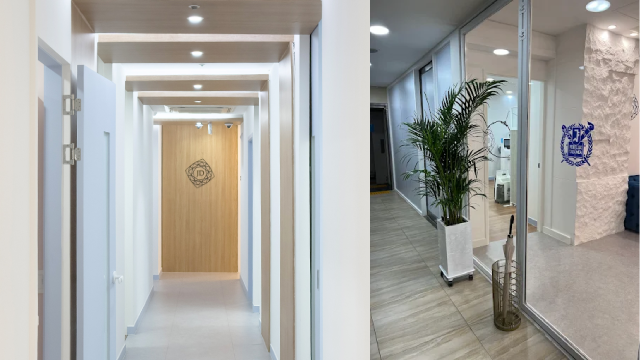
If dryness is the dominant complaint and time is short, a pressure-assisted booster is among the quickest options the clinic offers — and a consultation is where the solution gets chosen. JD Clinic is located at B2, 616 Gangnam-daero, Gangnam-gu, Seoul, Republic of Korea, and can be reached on +82-2-523-7581 or through the clinic's contact page. Consultations run Monday to Thursday from 09:30 to 19:00, Friday until 21:00 and Saturday until 16:00, with a lunch break on weekdays from 13:00 to 14:00.
International patients can start with an online enquiry through the JD Clinic contact page, and an English-speaking coordinator will follow up.
Disclaimer
This page is for general information only and is not medical advice, a diagnosis, or a treatment recommendation. Outcomes differ from person to person, and whether any treatment is appropriate for you can only be decided in a consultation with a qualified doctor.
Sources & Further Reading
Safe Injection Practices and Your Health — Centers for Disease Control and Prevention
Needle-free fillers: The risks you need to know about — American Academy of Dermatology
Injectables — American Society for Dermatologic Surgery
Best questions to ask when considering a cosmetic treatment — American Academy of Dermatology
Other Services
Explore additional treatments offered at JD Clinic.