Physician-Led Non-Surgical Lifting & Aesthetic Medicine in Gangnam, Seoul
4.8 Google Rating (56 Reviews)
en-US


Neck & Hand Wrinkle Care · Needs Clinic Confirmation
Tixel Resurfacing (Neck/Hand)
Tixel resurfacing is a heat-based skin regeneration treatment that delivers thermal energy directly to the skin's surface rather than through a laser pulse, stimulating collagen production and skin remodelling for improved elasticity, firmer texture and fewer visible fine lines.
Schedule a ConsultationTixel Resurfacing (Neck/Hand)

Medically reviewed by Dr. Jin-Woo Doh, Representative Director, JD Clinic, Gangnam, Seoul, and Dr. Hyunseon Kee, Director, JD Clinic
Tixel resurfacing is a heat-based skin regeneration treatment that delivers thermal energy directly to the skin's surface rather than through a laser pulse, stimulating collagen production and skin remodelling for improved elasticity, firmer texture and fewer visible fine lines. At JD Clinic in Gangnam, Seoul it is offered for the neck and hands specifically — areas that show age early, are treated late, and are difficult to reach comfortably with conventional devices.
JD Clinic's doctor mapping is recorded at the specialty level, so this page names the doctors who direct care for this treatment area rather than claiming that one named doctor personally carries out every individual session.
What Is Tixel Resurfacing for the Neck and Hands?
Heat is transferred to the skin by direct contact, in a controlled pattern, so that the tissue responds by remodelling.
The mechanism is thermal contact, not laser. Heat energy reaches the skin surface directly rather than being absorbed from a beam.
Intensity and depth are calibrated to skin type, which is the clinic's stated technique for this treatment.
The neck is the primary target here — vertical lines, fine lines, and the appearance of the neckline.
Anaesthetic cream is used, and treatment takes roughly twenty to thirty minutes with about twenty minutes of numbing beforehand.
It is a repeat treatment by design. Effects last around two to four months with retreatment every one to two months.
The clinic's approved claims are specific and modest: improvement in vertical lines and fine lines on the neck, support for skin regeneration, and a smoother-looking neckline.
Who Performs Tixel Resurfacing at JD Clinic
|
|
Dr. Jin-Woo Doh | Dr. Hyunseon Kee |

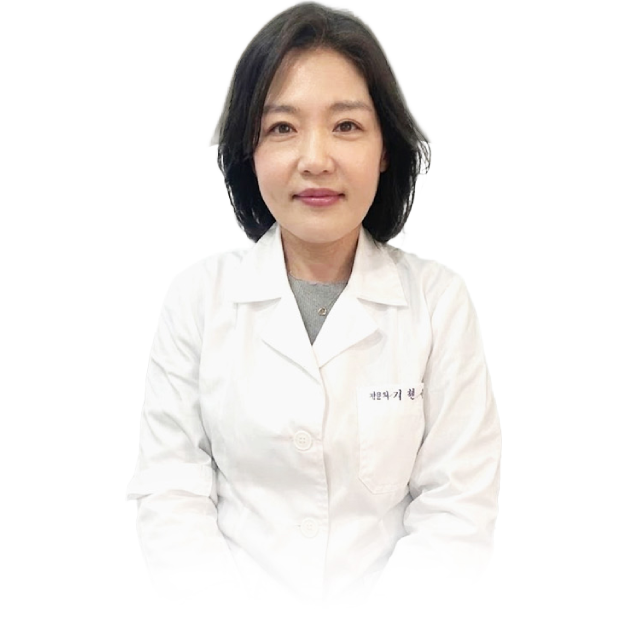
Care in this treatment area is directed by Dr. Jin-Woo Doh, Representative Director of JD Clinic, and Dr. Hyunseon Kee, Director.
Dr. Doh graduated from Seoul National University College of Medicine and serves as a Guest Professor at Seoul National University Hospital. Skin tightening and rejuvenation is among his listed core specializations, which is the grounding for a treatment aimed at elasticity and texture on the neck.
Dr. Hyunseon Kee is a Director at JD Clinic whose listed areas are aesthetic plastic surgery, aesthetic procedures and laser-based aesthetic treatments. She is a full member of the Korean Society of Aesthetic Plastic Surgery, the International Society of Aesthetic Surgery, and the Korean Society of Aesthetic Plastic Surgery and Laser. Dr. Doh is additionally a full member of the Korean Society of Aesthetic Surgery and the Korean Society for Obesity Treatment.
JD Clinic has not provided licence or board-status records for either doctor, so none is claimed here, and no educational institution is attributed to Dr. Hyunseon Kee because the clinic's records do not state one.
JD Clinic describes its approach as assessing skin thickness, the degree of laxity and facial structure before selecting a device, then targeting the intended tissue layer with the minimum number of passes needed rather than applying one fixed setting to every patient.
Who Is a Good Candidate for Tixel Resurfacing?
Adults with vertical lines or fine lines on the neck
People with reduced skin elasticity in the treated area
Those with enlarged pores or acne scarring where the treatment is applied
Patients wanting a minimally invasive resurfacing approach with a manageable recovery
Treatment may not be appropriate for:
Anyone with active skin infection in the treatment area
People with significant irritation or inflammation there
Patients with a skin condition that could worsen with resurfacing
A clinician assesses individual suitability. The neck deserves a specific note: its skin is thinner than the face's and heals differently, which is why a treatment calibrated for facial skin is not simply applied to it at the same settings.
Expectations are worth setting here as carefully as candidacy. Vertical neck lines have several causes — sun damage, skin thinning, and the pull of the platysma muscle beneath — and a resurfacing treatment acts on the first two. Where a line appears or deepens when you tense your neck, that is muscle, and it is answered differently. A consultation that looks at the neck both at rest and in movement will say which kind you have, and that is more useful than a number of sessions agreed in advance.
What to Expect: Procedure, Recovery, and Results Timeline
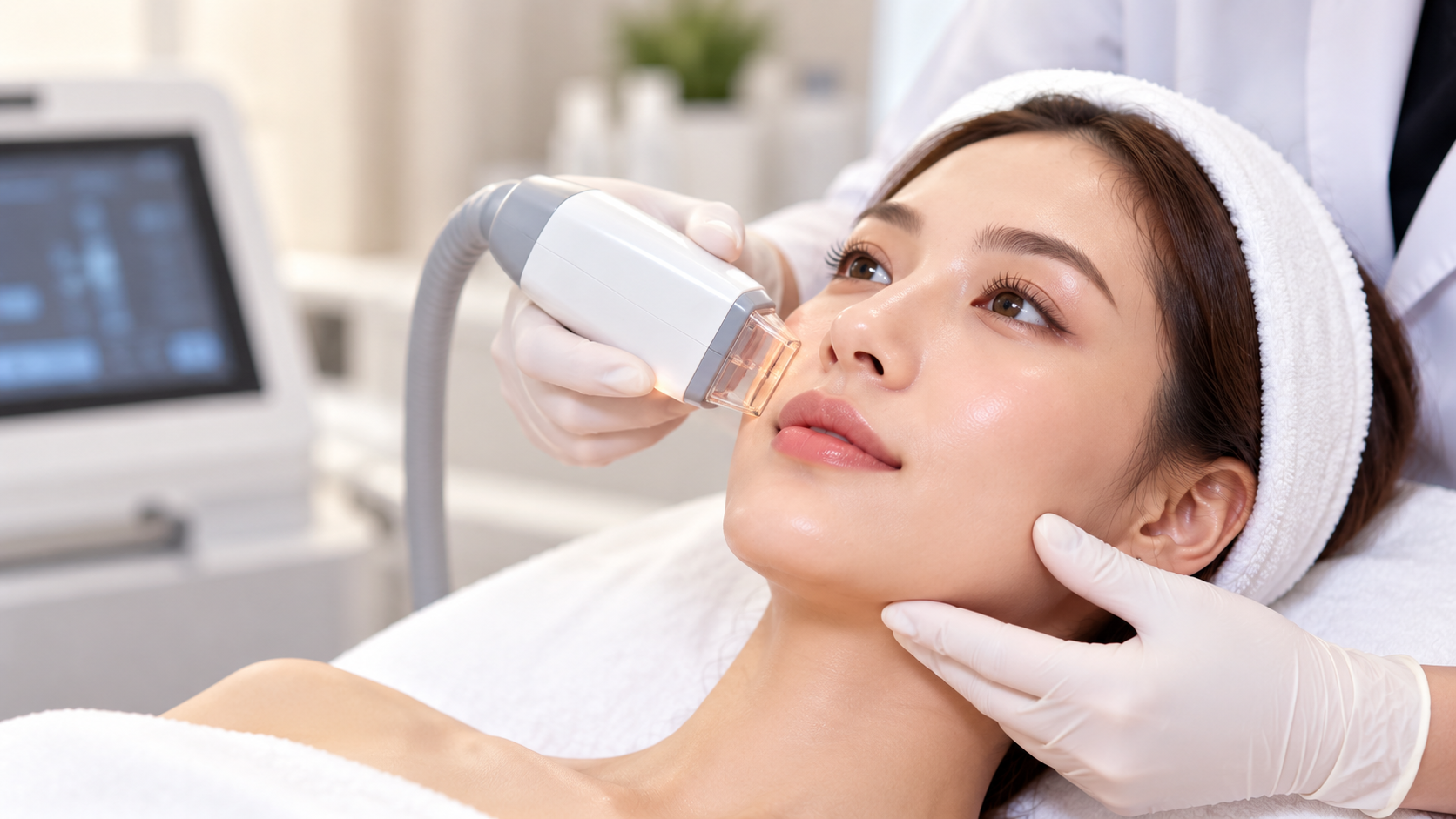
The area is assessed and prepared, anaesthetic cream is applied, and the treatment is then performed — including on delicate areas such as the neck that are hard to reach with conventional devices — delivering heat directly to the skin to stimulate collagen production and regeneration. Aftercare instructions follow.
Stage | What happens | Timing |
|---|---|---|
Numbing | Anaesthetic cream | Approximately 20 minutes |
Treatment | Thermal contact resurfacing | Approximately 20–30 minutes |
Same day | Return to daily activities | Immediately |
Recovery window | Redness, warmth, dryness, light scabbing settle | See note below |
Results | Build gradually as collagen remodels | Over weeks |
Duration of effect | Stated | 2–4 months |
Retreatment | Stated interval | Every 1–2 months |
One figure to confirm at consultation. The clinic's records give two different recovery periods for this treatment: its procedure profile describes a three-to-five-day window with possible light scabbing, while its FAQ gives approximately one to two days. This page does not resolve that on the clinic's behalf — ask which applies to the area and intensity planned for you, and plan travel around the longer figure until you have an answer.
Temporary redness, warmth, sensitivity, swelling, dryness or mild scabbing may occur. During the recovery window: do not pick or peel any flaking, keep the skin hydrated and calm, use sun protection, and avoid harsh actives such as retinoids, acids and scrubs until the skin has fully recovered. Daily activities can resume immediately, but the area should be treated gently and protected from friction and irritating cosmetics.
Before treatment, follow the clinic's instructions on skincare products and disclose active skin conditions, medications and recent procedures. For international patients, the appropriate length of stay and the timing of a flight should both be confirmed with the clinic based on the treatment and individual recovery. The clinic operates a 24-hour post-treatment feedback system, and English-language aftercare is available through remote follow-up consultation and ongoing channels such as email and messaging once a patient has returned home.
Combining Tixel Resurfacing with Other Treatments
Tixel resurfacing may be combined with other rejuvenation treatments, but combinations should be determined by a clinician based on skin condition, treatment goals and recovery considerations. The recovery window is the binding constraint: a resurfacing treatment with visible settling does not sit comfortably alongside another in the same week.
Depending on the concern, alternatives include other laser or energy-based resurfacing treatments, radiofrequency-based skin tightening, microneedling, or injectable skin treatments. Which is appropriate depends on the cause and severity of the lines and on the skin's condition — and on the neck specifically, the answer is frequently a combination of sun protection and a gentler, repeated treatment rather than a single aggressive one. More about the clinic and its team is on the JD Clinic about page.
Safety, Precision, and Clinic Standards
JD Clinic has been registered since 2023 as a Registered Medical Institution for Attracting Foreign Patients, certified by the Ministry of Health and Welfare in compliance with the Medical Overseas Expansion and Foreign Patients Attraction Act. The clinic's business registration number is 530-11-00701.
The clinic's stated quality-control process is individualised medical assessment rather than device-led selection, with treatment that is not needed avoided rather than added. Consultation and treatment are physician-led. For this treatment the clinic points to protecting the sensitive treated area from friction and irritating cosmetics, and to moisturising and sun protection during recovery.
Resurfacing carries documented risks and they scale with intensity. The American Society of Plastic Surgeons describes skin resurfacing and rejuvenation as a medical procedure whose risks include burns, scarring, delayed wound healing, textural change and pigmentation irregularities, and states that absolute sun protection is needed for the first year afterwards to prevent irregular pigmentation. Potential risks for this treatment specifically include prolonged irritation, pigmentary changes, infection or delayed healing, with individual risk depending on skin type, treatment intensity and medical history.
Two points about the neck and hands in particular. The American Society for Dermatologic Surgery describes a characteristic regional pattern to sun-related ageing — coarse wrinkling on the back of the neck, and fine wrinkling from skin thinning on the forearms and backs of the hands — which is why these areas are treated on their own terms rather than as an extension of a facial plan. And the Skin Cancer Foundation's point applies directly to maintaining any result here: incidental, everyday ultraviolet exposure accumulates on habitually uncovered sites, so daily sun protection should include the neck and the hands, with sunscreen reapplied after washing.
English-language support is provided by a dedicated international patient coordinator, Cheon Seung-yeon, Team Manager, on weekdays from 09:30 to 19:00, with Korean and Japanese coordination also available.
The Bottom Line
Heat delivered by direct contact rather than by laser, for vertical lines and texture on the neck.
Anaesthetic cream plus roughly twenty to thirty minutes of treatment.
The clinic's records give two different recovery figures — confirm which applies before planning travel.
Results build gradually, last two to four months, and the treatment is repeated every one to two months.
Sun protection on the neck and hands is what maintains any result achieved here.
Frequently Asked Questions
Who is a good candidate for Tixel resurfacing on the neck?
People concerned about vertical lines and fine lines on the neck. Reduced elasticity, enlarged pores and acne scarring are also on the clinic's list of concerns this treatment addresses. Individual suitability is determined through consultation and a skin assessment rather than from the concern alone.
Who should postpone treatment?
Anyone with active irritation, infection, inflammation or another significant skin problem in the treatment area. A skin condition that could worsen with resurfacing is a separate reason for caution, and it is one a clinician should assess rather than a patient judge.
How long does it take, and is it painful?
Allow roughly forty to fifty minutes in total — about twenty minutes of numbing cream and twenty to thirty minutes of treatment. Anaesthetic cream is used to improve comfort, and how much you feel varies with individual sensitivity and the intensity used.
How long is the recovery, really?
This is the one question worth asking directly. The clinic's procedure profile describes a three-to-five-day window with possible light scabbing; its FAQ gives approximately one to two days. Both figures come from the clinic's own records, and which applies depends on the area and the intensity — so confirm it rather than planning around the shorter one.
How long should I stay in Korea, and when can I fly home?
The appropriate length of stay and the timing of a flight should both be confirmed with the clinic based on the treatment given and your individual recovery. Until that is settled, plan around the longer of the two recovery figures above.
When will I see results, and how long do they last?
Improvement builds gradually as collagen remodelling occurs rather than appearing immediately. The clinic states an effect lasting two to four months, with retreatment every one to two months for maintained and cumulative results — so this is a course rather than a single treatment.
What should I do during recovery?
Do not pick or peel any flaking. Keep the skin hydrated and calm, use sun protection, avoid friction and irritating cosmetics, and leave harsh actives — retinoids, acids, scrubs — until the skin has fully recovered. Daily activities can resume immediately, but the area should be handled gently.
Does JD Clinic publish a price for Tixel resurfacing?
JD Clinic does not publish treatment prices for this market; a quotation is given after an individual consultation. Since retreatment every one to two months is part of the design, the course is the useful unit to ask about.
Book a Consultation at JD Clinic
If the lines on your neck have started to show before those on your face, an assessment of that area on its own terms is the right first step. JD Clinic is located at B2, 616 Gangnam-daero, Gangnam-gu, Seoul, Republic of Korea, and can be reached on +82-2-523-7581 or through the clinic's contact page. Consultations run Monday to Thursday from 09:30 to 19:00, Friday until 21:00 and Saturday until 16:00, with a lunch break on weekdays from 13:00 to 14:00.
International patients can start with an online enquiry through the JD Clinic contact page, and an English-speaking coordinator will follow up.
Disclaimer
This page is for general information only and is not medical advice, a diagnosis, or a treatment recommendation. Outcomes differ from person to person, and whether any treatment is appropriate for you can only be decided in a consultation with a qualified doctor.
Sources & Further Reading
Skin Rejuvenation Risks and Safety — American Society of Plastic Surgeons
Sun-damaged Skin — American Society for Dermatologic Surgery
Fractional Laser Resurfacing for Aging skin — American Society for Dermatologic Surgery
Sun Protection — The Skin Cancer Foundation
Other Services
Explore additional treatments offered at JD Clinic.