Physician-Led Non-Surgical Lifting & Aesthetic Medicine in Gangnam, Seoul
4.8 Google Rating (56 Reviews)
en-US


Facial Lifting & Skin Tightening · Needs Clinic Confirmation
Tune Face RF Lifting
Tune Face is a non-surgical radiofrequency facial treatment designed to support skin tightening, lifting and improved facial contour by delivering RF energy to targeted areas.
Schedule a ConsultationTune Face RF Lifting

Medically reviewed by Dr. Jin-Woo Doh, Representative Director, JD Clinic, Gangnam, Seoul
Tune Face is a non-surgical radiofrequency facial treatment designed to support skin tightening, lifting and improved facial contour by delivering RF energy to targeted areas. At JD Clinic in Gangnam, Seoul it is the shortest treatment in the lifting menu — the clinic lists a procedure time of ten to thirty minutes with daily activities resumed the same day — and it is aimed particularly at the lower face, cheeks, jawline and the area under the chin.
JD Clinic's doctor mapping is recorded at the specialty level, so this page names the doctors who direct care for this treatment area rather than claiming that one named doctor personally carries out every individual session.
What Is Tune Face RF Lifting?
Tune Face delivers radiofrequency energy through an applicator to planned areas of the face, so that the treated tissue responds with tightening and a firmer contour.
The target areas are specific. The lower face, cheeks, jawline and submental area — the region patients describe as a double chin or a softening contour.
The session is brief. The clinic lists ten to thirty minutes for the procedure itself.
There is no stated downtime. Normal daily activities can be resumed on the day of treatment.
Anaesthesia is not required. Topical numbing cream may be used depending on protocol and individual sensitivity.
It runs on a short cycle. The clinic lists a maintenance period of four to six months and a retreatment cycle of three to four weeks.
That last pair is worth reading carefully, because it describes a treatment with a different rhythm from the rest of this menu: a series of short sessions a few weeks apart, with the effect maintained over months, rather than one long session repeated annually.
Who Performs Tune Face RF Lifting at JD Clinic

Dr. Jin-Woo Doh
Representative Director of JD Clinic
Care in this treatment area is directed by Dr. Jin-Woo Doh, Representative Director of JD Clinic, who graduated from Seoul National University College of Medicine and serves as a Guest Professor at Seoul National University Hospital. Non-surgical facial lifting and anti-aging is the first of his listed core specializations.
For this treatment, the clinic's stated emphasis is personalised care, clear communication and a plan built on the individual's needs, with international patients given guidance on the consultation and treatment process before and during the visit. The clinic's records do not state a device-specific technique or a proprietary protocol for Tune Face, so this page does not describe one.
He is a full member of the Korean Society of Aesthetic Surgery, the Korean Society of Aesthetic Plastic Surgery, the International Society of Aesthetic Surgery, the Korean Society for Obesity Treatment, and the Korean Society of Aesthetic Plastic Surgery and Laser. JD Clinic has not provided licence or board-status records for this page, so none is claimed here.
JD Clinic describes its approach as assessing skin thickness, the degree of laxity and facial structure before selecting a device, then targeting the intended tissue layer with the minimum number of passes needed rather than applying one fixed setting to every patient.
Who Is a Good Candidate for Tune Face RF Lifting?
Adults with mild to moderate facial skin laxity
People whose facial contours have become less defined
Those concerned about the appearance of a double chin or a softening jawline
Patients who prefer a non-surgical, energy-based approach
Anyone who needs a short treatment that does not interrupt the day
Treatment may need to be postponed or reassessed for:
Anyone with active skin infection, significant irritation or inflammation in the treatment area
Patients with certain medical conditions or contraindications to radiofrequency treatment
People with relevant implanted devices, who should be medically assessed first
Anyone whose expectations cannot reasonably be met by a non-surgical treatment
Final suitability is determined by the treating clinician after assessment. For international patients, photographs or an online pre-consultation may be used for a preliminary discussion where the clinic offers it, but the treatment decision itself is confirmed in person.
What to Expect: Procedure, Recovery, and Results Timeline
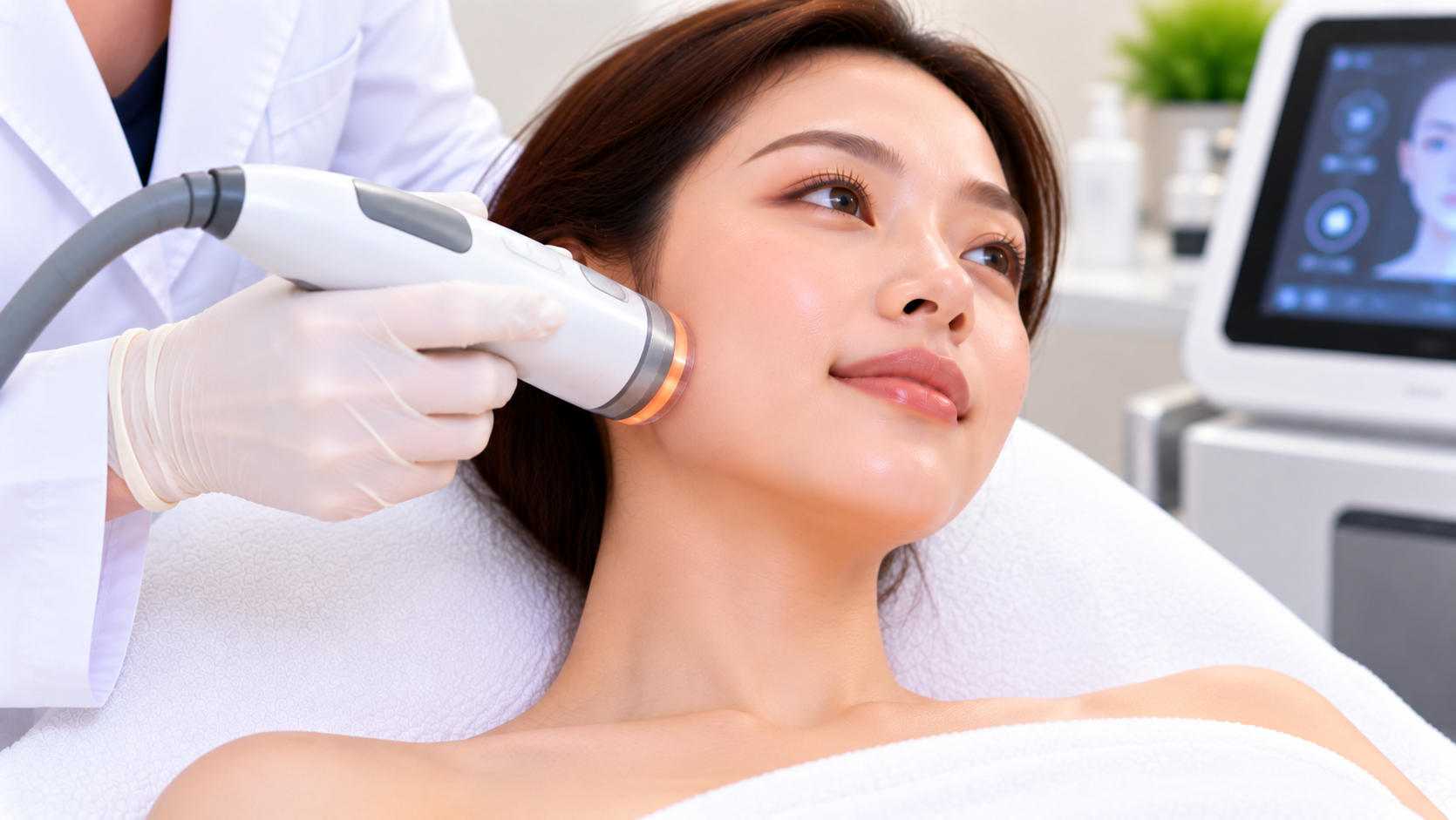
The sequence the clinic describes is short and legible: consultation, in which facial concerns and goals are reviewed; assessment of skin laxity and facial contours; preparation of the treatment area; application of the Tune Face applicator to the planned areas; delivery of radiofrequency energy to the targeted tissue according to the plan; a check of the treated area; and aftercare instructions, after which patients can generally return to daily activities the same day.
Stage | What happens | Timing |
|---|---|---|
Consultation and assessment | Concerns, contours, laxity, medical history, contraindications | Before treatment |
Treatment | RF energy through the applicator to planned areas | 10–30 minutes |
Same day | Return to normal daily activities | Immediately |
Aftercare | Avoid irritating the treated area | Ongoing |
Maintenance | Stated period | 4–6 months |
Retreatment | Stated cycle | Every 3–4 weeks |
No anaesthesia is required for this treatment, though topical numbing cream may be used depending on the protocol and individual sensitivity. During energy delivery you may feel warmth, pressure or temporary discomfort, varying with settings and sensitivity; the clinic should explain what to expect and what comfort options are available at consultation.
Before treatment, tell the clinic about medical conditions, medications, implanted medical devices, recent aesthetic procedures and any active skin problems, and avoid irritating products or procedures in the treatment area where the clinic instructs. Do not stop prescribed medication unless the treating clinician advises it. Afterwards, the clinic's specific advice is to avoid irritating the treated area.
Because the treatment is short and there is no stated downtime, an itinerary can be flexible — but the clinic should confirm the appropriate schedule before a return flight is booked, particularly if Tune Face is being combined with other procedures on the same trip. The clinic operates a 24-hour post-treatment feedback system, and English-language aftercare is available through remote follow-up consultation and ongoing channels such as email and messaging once a patient has returned home.
Combining Tune Face RF Lifting with Other Treatments
The clinic's records do not state a combination protocol for Tune Face, so this page does not describe one; what to combine, and when, is a judgement for the treating clinician after assessment. The one practical point worth making is that a three-to-four-week retreatment cycle interacts with any other treatment planned in the same window, and that is a scheduling conversation to have before travel rather than after the first session.
Depending on the primary concern, alternatives include other radiofrequency tightening treatments, focused ultrasound lifting, other energy-based treatments, or surgical facial and neck lifting where greater tissue repositioning is required. The appropriate alternative depends on anatomy and on what the patient is trying to change. More about the clinic and its team is on the JD Clinic about page.
Safety, Precision, and Clinic Standards
JD Clinic has been registered since 2023 as a Registered Medical Institution for Attracting Foreign Patients, certified by the Ministry of Health and Welfare in compliance with the Medical Overseas Expansion and Foreign Patients Attraction Act. The clinic's business registration number is 530-11-00701.
The clinic's stated quality-control process is individualised medical assessment rather than device-led selection, with treatment that is not needed avoided rather than added. Consultation and treatment are physician-led.
Possible temporary effects of radiofrequency treatment include redness, warmth, tenderness, swelling or sensitivity. Radiofrequency can also cause discomfort and, rarely, burns or other tissue injury if excessive heating occurs — which is why significant, persistent or worsening symptoms should be reported to the clinic rather than waited out.
The independent guidance treats this category as medical. The UK Department of Health and Social Care, consulting on licensing non-surgical cosmetic procedures in England, describes high-intensity focused ultrasound as directing energy to layers deep underneath the skin to encourage contraction and lifting, and radiofrequency as using heat from radio waves to cause controlled tissue damage — the reason both sit inside a proposed licensing regime. The U.S. Food and Drug Administration has issued a safety communication stating that radiofrequency microneedling is a medical procedure rather than a cosmetic treatment and has been associated with reports of serious complications including burns, scarring, fat loss, disfigurement and nerve damage, so it should be performed only by a trained, licensed practitioner.
On outcome, the American Academy of Dermatology describes non-invasive skin tightening as producing gradual, modest lifting rather than surgical results, with ultrasound and radiofrequency changes typically developing over roughly two to six months — a useful frame for a treatment whose individual sessions are this short.
English-language support is provided by a dedicated international patient coordinator, Cheon Seung-yeon, Team Manager, on weekdays from 09:30 to 19:00, with Korean and Japanese coordination also available.
The Bottom Line
Tune Face is a short radiofrequency treatment aimed at the lower face, jawline and submental area.
The procedure takes ten to thirty minutes and daily activities resume the same day.
No anaesthesia is required; topical numbing may be used depending on protocol.
The clinic lists a three-to-four-week retreatment cycle and a four-to-six-month maintenance period.
Short sessions do not make it a non-medical treatment — the category's risks apply here as elsewhere.
Frequently Asked Questions
Who is a good candidate for Tune Face?
Adults concerned about mild to moderate facial skin laxity, less-defined facial contours, or the appearance of a double chin, who prefer a non-surgical treatment. The lower face and submental area are where this treatment is aimed, so a concern in the mid-face or around the eyes may point to a different option.
Who should postpone treatment?
Anyone with an active skin infection, significant irritation, inflammation or another condition affecting the treatment area. Certain medical conditions and implanted devices require additional assessment before radiofrequency treatment, so raise them at consultation rather than on the day.
How long does it take?
The clinic lists the procedure time as approximately ten to thirty minutes, and states that daily activities can be resumed the same day. Your actual treatment time may vary with the area treated and the individual plan, and consultation and preparation add to the visit.
Is it painful, and is anaesthesia used?
Radiofrequency treatments can produce warmth, pressure or temporary discomfort during energy delivery, varying with the settings and with individual sensitivity. No anaesthesia is required for this treatment; the clinic's records do not specify a standard numbing protocol for it, so ask what comfort options are available at consultation.
How long should I stay in Korea, and when can I fly home?
Since the treatment is short with limited stated downtime, an itinerary can be flexible and daily activities resume the same day. Confirm the appropriate schedule with the clinic before booking a return flight, particularly if you are combining Tune Face with other procedures during the same trip.
When will I see results, and how often is it repeated?
Radiofrequency-based treatments produce change that develops over time, and the timing varies with skin condition, anatomy, settings and individual response. The clinic lists a maintenance period of four to six months and a retreatment cycle of three to four weeks — so this is a treatment planned as a series rather than a single appointment.
What are the side effects and risks?
Temporary discomfort, redness, warmth, swelling or sensitivity are the usual effects. More significant complications such as burns or tissue injury are uncommon but possible where heating is excessive or inappropriate. The clinic specifically advises avoiding irritation of the treated area afterwards, and contacting it about anything significant, persistent or worsening.
Does JD Clinic publish a price for Tune Face?
JD Clinic does not publish treatment prices for this market; a quotation is given after an individual consultation. With a treatment planned as a series, what matters at consultation is the number of sessions being proposed, and that is decided from the assessment.
Book a Consultation at JD Clinic
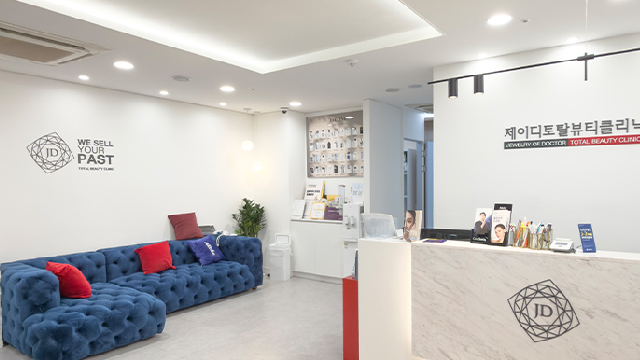
If a softening jawline or the area under the chin is what you want addressed, and you want something that fits into an ordinary day, Tune Face is worth raising at consultation. JD Clinic is located at B2, 616 Gangnam-daero, Gangnam-gu, Seoul, Republic of Korea, and can be reached on +82-2-523-7581 or through the clinic's contact page. Consultations run Monday to Thursday from 09:30 to 19:00, Friday until 21:00 and Saturday until 16:00, with a lunch break on weekdays from 13:00 to 14:00.
International patients can start with an online enquiry through the JD Clinic contact page, and an English-speaking coordinator will follow up.
Disclaimer
This page is for general information only and is not medical advice, a diagnosis, or a treatment recommendation. Outcomes differ from person to person, and whether any treatment is appropriate for you can only be decided in a consultation with a qualified doctor.
Sources & Further Reading
Many ways to firm sagging skin — American Academy of Dermatology
Non-invasive Skin Tightening Treatments — American Society for Dermatologic Surgery
Potential Risks with Certain Uses of Radiofrequency (RF) Microneedling — FDA Safety Communication — U.S. Food and Drug Administration
The licensing of non-surgical cosmetic procedures in England: consultation document — UK Department of Health and Social Care
Other Services
Explore additional treatments offered at JD Clinic.